Author
mehedi1

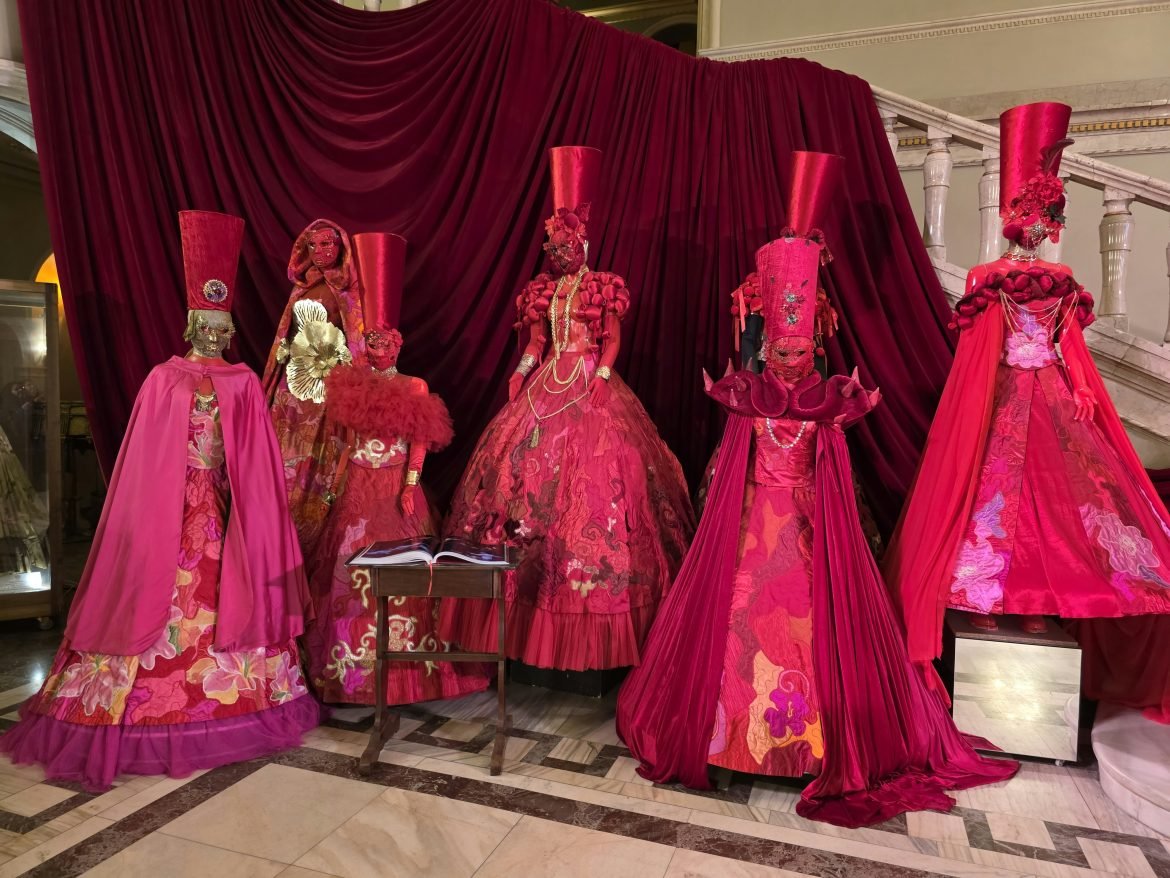
“The theme was a doctoral thesis in dandyism. Most of the red carpet handed in a mood board.”
The Met Gala is not a fashion week event. It is a Costume Institute fundraiser: a museum opening with a curatorial thesis pinned to its door. This year, that thesis was “Superfine: Tailoring Black Style,” rooted in Monica L. Miller’s scholarship on Black dandyism as political self-authorship. Lumera’s framework measures three things only. Theme adherence. Silhouette innovation. Technical difficulty. Celebrity status is irrelevant here.
Decoding "Superfine": What the 2026 Theme Actually Demanded
Most outlets described the theme in one sentence and moved on to the celebrity arrivals. That is exactly the mistake.
“Superfine: Tailoring Black Style” draws from 300 years of radical sartorial tradition. Eighteenth-century Black British dandies. Harlem Renaissance drape suits. The zoot suit riots of 1943. Virgil Abloh’s deconstruction of menswear semiotics. Ozwald Boateng’s Savile Row subversion. Grace Wales Bonner’s archaeological approach to Black diasporic dress. This is not a trend cycle. It is a political lineage.
The dandy does not dress to blend in. Every seam, every surface, every silhouette choice is an argument. As Lumera frames it: “A dandyism theme does not ask you to wear a suit. It asks you to understand why a Black man wearing a perfectly pressed suit in 1923 was a radical political act and then dress accordingly.”
What did that mean technically for 2026 attendees? Bias-cut tailoring. Structured organza suiting. Architectural shoulder construction. Surface embellishment in deliberate service of a cultural argument. Not decoration. Argument.
The 2026 Masterpieces: Three Looks That Became Costume Art
Beyoncé in Custom Thom Browne: Tailoring as Living Archive
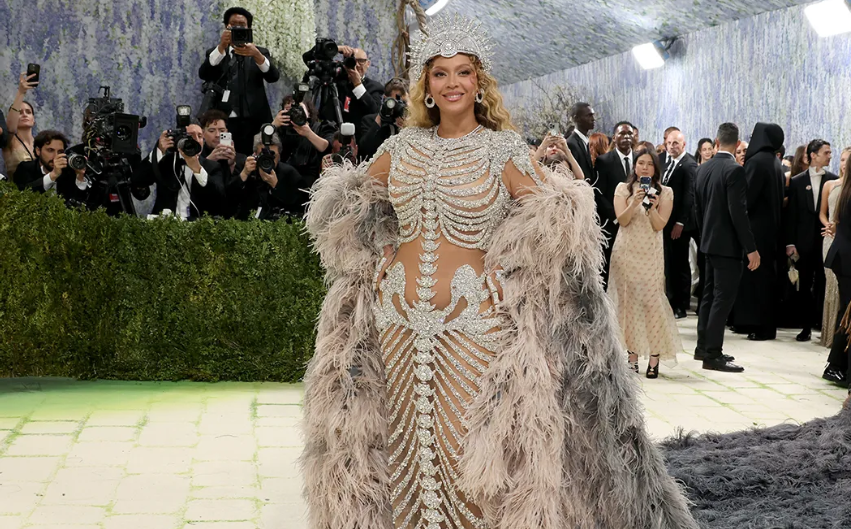
Fifty shades of grey wool flannel. Patchworked raw-edge canvas panels. A silhouette referencing the deconstructed Victorian riding habit. All of this would have been exceptional on its own.
Then the skirt opened.
The underskirt was embroidered with the actual muslin pattern pieces and chalk marks used to draft the garment: tailoring’s invisible labor made visible as the art itself. Over 1,500 hours of micro-pleating and bullion embroidery across the construction. By Lumera’s Atelier Radar classification, any look exceeding 1,000 documented atelier hours qualifies as True Haute Couture. This clears that threshold by a significant margin.
Thom Browne’s entire 20-year design argument rests on the deconstruction of American suiting tradition. This look was not an interpretation of his archive. It was a direct extension of it into the 2026 thematic conversation.
The Lumera Verdict: The most thematically literate look on the carpet. It turned the invisible labor of tailoring into wearable museum art.
Emma Chamberlain in Custom Vivienne Westwood Archive Revival: Chaos Theory as Couture Argument
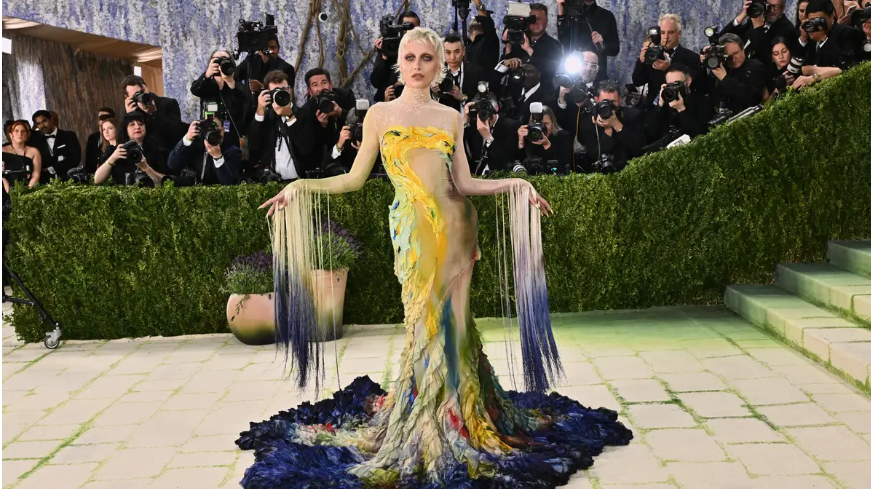
Emma Chamberlain has spent the better part of three years quietly repositioning herself from YouTube personality to genuine fashion insider. Her 2026 Met Gala appearance confirmed the transition is complete.
Chamberlain arrived in a custom Vivienne Westwood archive revival piece: a corseted tailcoat in double-faced wool broadcloth, cut on the bias to produce a deliberate spiraling torque through the body. The fabric twisted. The silhouette resisted symmetry on purpose. That is not a fitting error. That is a construction decision requiring a pattern cutter who understands how bias grain behaves under structured boning pressure.
The tailcoat referenced Westwood’s 1993 “Anglomania” collection directly. Sharp peak lapels in contrast ivory duchesse satin. A hand-embroidered pocket square depicting a fragment of Hogarth’s “Marriage A-la-Mode” series, which is an 18th century satirical painting sequence skewering the British aristocracy for prioritizing wealth over dignity. For a dandyism theme that lives and breathes in the tension between elegance and subversion, that pocket square was doing serious intellectual work. Most people will not catch it. That is the point. The dandy dresses for the knowing eye, not the crowd.
The skirt broke into a structured asymmetric bustle at the back, constructed from layers of horsehair canvas and silk organza. Horsehair canvas at the bustle level means the shape holds without boning interference through the hip. That is a 19th century tailoring technique being deployed with full technical awareness in 2026.
One note of honest critique: the footwear choice softened the argument slightly. Platform creepers in unfinished suede read as a stylist addition rather than a considered sartorial decision. The dandy tradition demands that every element carries weight. The shoes were the one moment where the look gestured toward trend rather than thesis.
Still. The tailcoat alone was worth the evening.
The Lumera Verdict: A genuine archive engagement rather than a costume reference. Chamberlain understood that Westwood’s entire design philosophy is built on class subversion dressed in aristocratic clothing and she wore that contradiction with full awareness. One footwear misstep keeps this out of the perfect score column. Everything above the ankle was a masterclass.
Colman Domingo in Bespoke Custom Tailoring: The Dandy Tradition Embodied
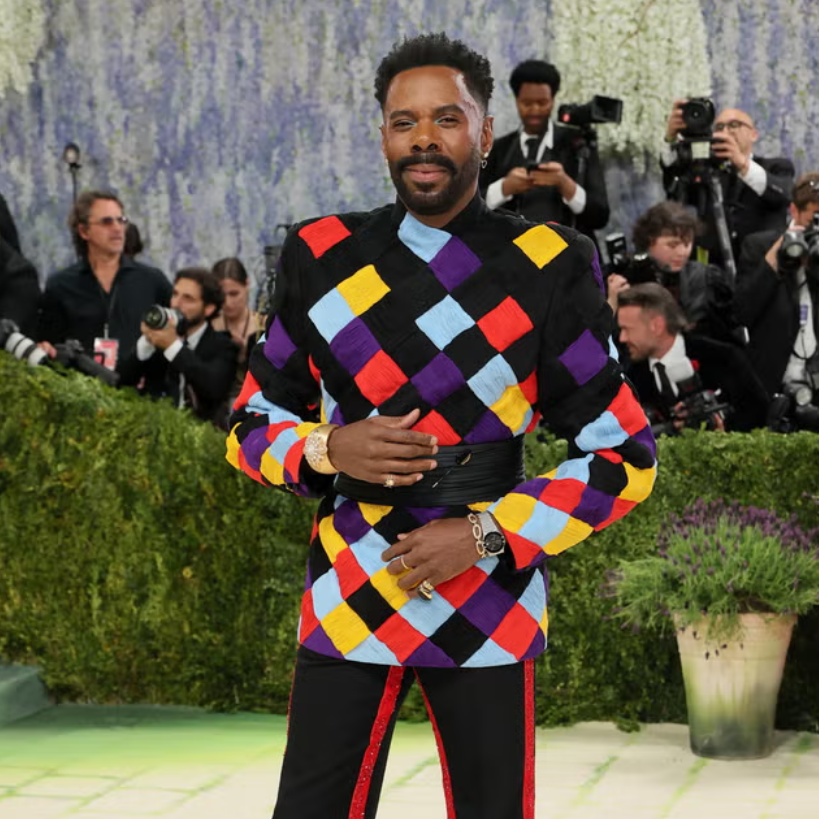
Bespoke tailoring is not made-to-measure. It is not a well-fitted off-the-rack suit. At minimum 80 to 150 construction hours, it involves hand-stitched canvas interfacing, hand-pressed seams at every stage, single-needle topstitching at the collar and cuff. The difference is visible to anyone who knows where to look.
Domingo knows the difference. His approach to dandyism treats it as intellectual argument rather than costume. Every accessory choice was deliberate. The silhouette referenced Duke Ellington’s wardrobe philosophy directly: tailoring as performance, dignity as armor. That is a 300-year lineage condensed into one precisely calibrated appearance.
There is a sustainability argument embedded here too. Bespoke tailoring is one of the most defensible luxury sustainability positions available: decades of wearability, full repairability, zero reliance on seasonal trend cycles.
The Lumera Verdict: Domingo arrived as the dandy tradition’s most articulate 2026 representative. Every element chosen as argument.
The Thematic Misses: When Celebrity Overrode Costume Art
The Corporate Tuxedo: Dressed for the Gala, Not the Theme

Jeff Bezos arrived in a standard peak-lapel black tuxedo. The jacket collar stood half an inch off the neck. That specific gap is a hallmark of inadequate canvas padding and rushed machine-stitched chest construction. At this level of event scrutiny, that detail does not go unnoticed.
A tuxedo at a dandyism-themed gala without subversion, cultural reference or research is the sartorial equivalent of attending a thesis defense in off-the-shelf business attire. The dandy tradition requires intention. This was standard Made-to-Measure at best. “A dandy does not dress to impress. A dandy dresses to argue. The tuxedo had the former. It lacked the latter.”
The Lumera Verdict: Impeccably dressed for a gala. Thematically absent from the museum.
The Commercial Pull: Beautiful, Purposeless, Forgotten
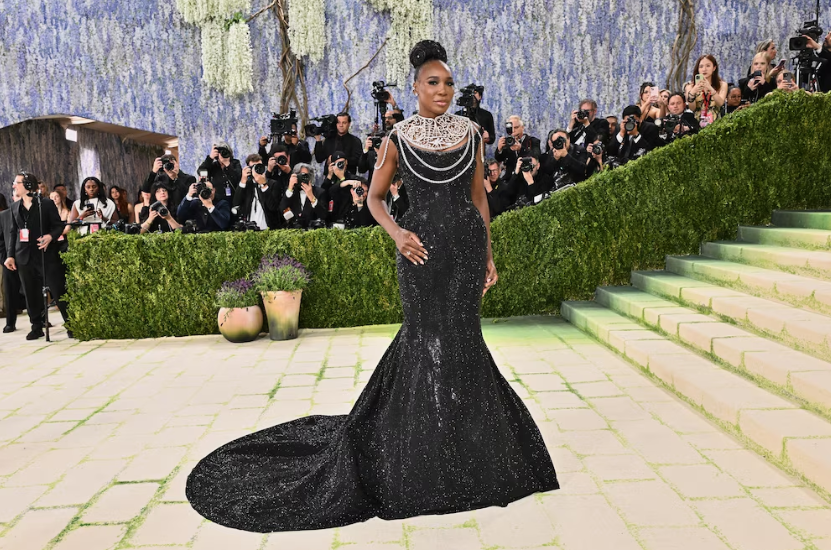
Venus Williams wore Prada. Seafoam green silk radzimir. A single beaded bow. Internal boning visible through the silk under flash photography: a clear indicator of an omitted interlining layer between the boning channel and the face fabric. The technical flaw was avoidable.
Silk radzimir is a genuine luxury textile. That is not the critique. Luxury of material has never equaled thematic engagement. Every major outlet called this look “elegant” and “understated.” What they missed is that this was a commercial awards-season pull wearing the Met Gala’s address without its intellectual passport.
The resources were present. The curatorial ambition was not taken.
The Lumera Verdict: A commercial pull that mistook the Met Gala for a premiere. Aesthetically immaculate. Curatorially invisible.
The All-Time Benchmark: What Costume Art Actually Looks Like
The permanent standard remains Rihanna in Guo Pei at the 2015 “China: Through the Looking Glass” gala. Fifty-five pounds of imperial yellow silk with fur-trimmed cape. Over two years of production. An estimated 50,000 embroidery hours.
The defining move was not the construction. It was the choice itself. Rihanna wore a Chinese designer to a China-themed exhibition, sidestepping the cultural appropriation trap that caught nearly every Western-designed look that night. The choice was the interpretation before anyone examined the garment.
Contrast that with Kim Kardashian wearing Marilyn Monroe’s actual 1962 “Happy Birthday” gown to the 2022 “Gilded Glamour” gala. The theme referenced 1890s Gilded Age America. Monroe’s gown predates it by seven decades and belongs to an entirely different historical and aesthetic argument. Access to a famous object is not thematic understanding. It is the opposite: it replaces understanding with proximity.
Rihanna’s benchmark question holds for every Met Gala that follows: is the choice as intelligent as the construction?
FAQ: Met Gala 2026
What is the Met Gala 2026 theme?
The theme is “Superfine: Tailoring Black Style,” anchored in Monica L. Miller’s scholarship on Black dandyism as political self-authorship and cultural resistance. Attendees were expected to engage with precision tailoring as historical argument, not merely formal dress.
Who was best dressed at the Met Gala 2026?
Zendaya in custom Schiaparelli (cantilevered steel-armature construction, 400-plus atelier hours) and Beyoncé in custom Thom Browne (1,500-plus hours, visible tailoring process as the art itself) scored highest on Lumera’s framework of theme adherence and construction complexity.
What makes a Met Gala look "Costume Art" rather than just fashion?
Costume Art requires concept, construction and thematic argument working simultaneously. At a dandyism theme, that means understanding the 300-year political history behind precision dressing and making every sartorial choice in deliberate service of that argument. Beauty and expense are secondary considerations.
The Lumera Savoir-Faire Rating Matrix
Five looks. One framework. Here is how the 2026 carpet measured against the Lumera Savoir-Faire standard.
Celebrity | Designer | Artistry Score (1-10) | Theme Adherence (1-10) | The Lumera Verdict |
Beyoncé | Thom Browne Custom | 9.5 | 10 | Turned the invisible craft of tailoring into the subject of the art. 1,500 atelier hours made visible as cultural statement. |
Colman Domingo | Bespoke Custom | 9.5 | 9.5 | The dandy tradition honored through precision and intellectual intention. Every element chosen as argument not decoration. |
Emma Chamberlain | Custom Vivienne Westwood Archive Revival | 8.5 | 9.0 | A bias-cut corseted tailcoat with a Hogarth pocket square doing genuine intellectual work. One footwear misstep away from a perfect score. |
Venus Williams | Prada | 4.0 | 2.0 | A commercial pull with a visible interlining omission and zero curatorial ambition. The carpet’s most expensive missed opportunity. |
Jeff Bezos | Custom / Made-to-Measure | 2.0 | 1.0 | A half-inch collar gap and no thematic engagement. Dressed for the dinner. Absent from the thesis. |
The Connoisseur’s Final Word
The Met Gala is a museum argument. The dress code is a doctoral thesis. “Superfine: Tailoring Black Style” was the first Met Gala theme to center Black dandyism as design philosophy rather than cultural moment and that distinction demanded more than a well-pressed suit from the guest list.
The looks that answered the brief understood something essential: the dandy tradition is 300 years of political precision. You cannot approximate that with a luxury label and a stylist relationship.
For deeper analysis, explore Lumera’s full suite of investment-grade fashion guides covering runway architecture, jewelry valuation and designer legacy. Continue the conversation through our conscious luxury editorial series where craftsmanship and cultural intelligence are treated as inseparable.
Some came to the Met Gala for the spectacle. The greatest looks came to finish the argument.

Affordable Luxury Jewelry: Elegant Pieces That Look Expensive Without the High Price
by mehedi1
written by mehedi1
Why Affordable Luxury Jewelry Is the Smartest Investment in Your Wardrobe
Here is the truth most jewelry brands are not going to tell you: traditional retail jewelry carries a markup of 8 to 10 times its production cost. When you buy from a direct-to-consumer brand, that markup collapses by 40 to 60 percent. You keep the quality. You lose the logo tax.
Consider what you are actually paying for at a luxury counter. The materials in a Tiffany pendant cost an estimated $15 to $30 to produce. The retail price? Over $375. That delta is not quality. It is branding. It is real estate. It is a blue box.
The smarter framework is cost-per-wear. A $12 fast-fashion ring that fades in three weeks and gets replaced four times a year costs you $48 annually. A $65 Lumera piece worn 400 times costs you $0.16 per wear. The math is not even close.
Cost-Per-Wear Comparison
Piece | Price | Total Wears | Cost Per Wear |
|---|---|---|---|
Fast fashion plated ring | $12 | 15 | $0.80 |
Lumera 18k Gold Plated Necklace ★ | $65 | 400+ | $0.16 |
Mid-range boutique necklace | $150 | 300 | $0.50 |
Designer statement necklace | $400 | 40 | $10.00 |
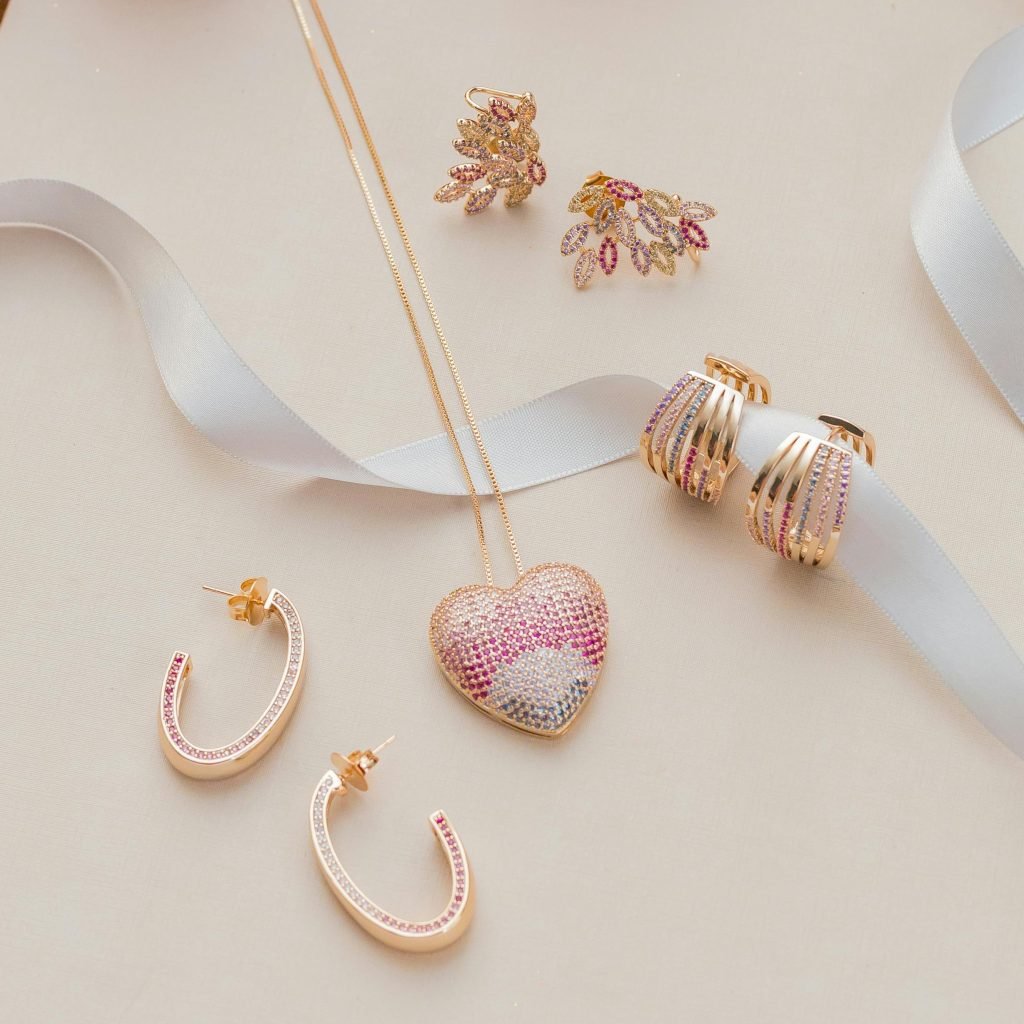
What Actually Makes Jewelry Look and Feel Expensive: The Material Truth
The difference between jewelry that looks expensive and jewelry that actually is expensive comes down to three things. The base metal. The plating thickness. And the skin safety standard. Most brands will not discuss any of them. Lumera will.
THE BASE METAL: THE ONE THING CHEAP BRANDS NEVER TELL YOU
Your skin does not react to gold. It reacts to what is underneath it. The base metal is the hidden variable in every gold-plated piece you own. Copper is the primary culprit behind green skin. The reaction happens when copper oxide transfers from the metal to your skin via moisture and acidity. Brass is slightly better but still reactive over time.
Lumera uses 316L stainless steel, a medical-grade alloy used in surgical implants. Its low carbon content and chromium-rich surface create a natural tarnish-resistant barrier. It is harder than brass or copper. That harder surface means the gold plating adheres more uniformly and lasts longer. Based on 2026 jewelry manufacturing standards, 316L stainless steel is widely recognized as the premium base for fashion-grade gold plating precisely because of this chromium passivation layer.
Base Metal Comparison
Base Metal | Green Skin Risk | Tarnish Resistance | Lumera Standard |
|---|---|---|---|
Copper (fast fashion) | High | Very Low | No |
Brass | Moderate | Low | No |
Sterling Silver | Low | Moderate | No |
316L Stainless Steel ★ | Zero | High | Yes |
★ The Lumera standard — surgical-grade, tarnish-resistant, zero green skin risk.
PLATING THICKNESS: THE NUMBER NO BRAND WANTS YOU TO KNOW
Micron thickness is the single most important quality metric in affordable gold-plated jewelry. Almost no brand publishes it. That should tell you something. Flash plating at less than 0.5 microns fades within weeks. Standard commercial plating runs 0.5 to 1.0 microns and lasts months. The US FTC requires a minimum of 2.5 microns for a piece to be legally called gold vermeil.
Plating Thickness & Expected Lifespan
Plating Tier | Thickness | Lifespan |
|---|---|---|
Flash plating — fast fashion | < 0.5 microns | Weeks |
Standard commercial | 0.5 – 1.0 microns | Months |
Quality fashion jewelry | 1.0 – 2.5 microns | 1–2 years |
Gold vermeil (FTC minimum) | 2.5 microns | 1–3 years |
Lumera Premium 18k PVD ★ | 3.0+ microns | 2–5 years |
Not all gold is equal. The karat you see is the finish. The micron thickness is the truth.
Comparative analysis of PVD coating versus traditional electroplating suggests that higher micron thickness directly correlates with long-term color retention. A premium 18k gold PVD coating at 3.0+ microns over a 316L steel base is the 2026 industry benchmark for fashion jewelry built to last.
WHY ‘HYPOALLERGENIC’ ON THE LABEL MEANS ALMOST NOTHING
Seventeen percent of women are sensitive to nickel. It is the number one contact allergen globally. Women are five times more likely than men to develop nickel sensitivity. And here is the kicker: nickel sensitivity is cumulative. Every low-level exposure increases your reactivity over time.
The word ‘hypoallergenic’ has no regulated legal definition in the United States for jewelry. Any brand can put it on a tag. The EU Nickel Directive holds manufacturers to a maximum release of 0.5 micrograms per square centimeter per week. The US has no equivalent standard.
THE LUMERA STANDARD
“Hypoallergenic is a word. Nickel-free is a commitment. Lumera uses 316L stainless steel and 18k gold plating because 17% of women deserve better than a rash.”
Before you buy any gold-plated jewelry, run through the Lumera Luxury Audit. Five questions. One standard.
- What is the base metal? — Look for 316L stainless steel or sterling silver. Never copper or unlisted alloys.
- What is the plating thickness? — Minimum 2.5 microns for lasting wear. 3.0+ is the premium tier.
- What karat is the gold in the plating? — 18k means 75% gold. Richest tone. Most accurate warm gold color.
- Is it certified nickel-free? — “Hypoallergenic” alone is not sufficient. Nickel-free is the only meaningful claim.
- Does the brand disclose all of the above? — If not, ask yourself why. Transparency is not a feature. It is a baseline.
How to Wear It: The Lumera Minimalist Styling System
The most stylish women in any room are not wearing the most jewelry. They are wearing the right jewelry. Effortless cool is almost always a function of restraint, not volume. The Lumera styling system is built on that principle.
Start with five foundational pieces. These cover every context: professional, casual, and evening. No redundancy. No overlap.
The Lumera 5-Piece Capsule Collection
- The Anchor Chain — 16–18 inch fine gold chain — Wear alone or as your stacking base. The backbone of your collection.
- The Everyday Studs — gold ball or dome studs under 8mm — The polish finisher for every look. You will forget you are wearing them, in the best way.
- The Stacking Bangle — slim, smooth gold bangle — Minimal alone. Editorial when stacked. Wear three and suddenly your wrist has something to say.
- The Statement Hoop — 30–40mm gold hoops — Your instant evening pivot. Day to dinner in one swap.
- The Layering Pendant — delicate pendant on 18–20 inch chain — Adds dimension to any neckline. The piece that makes people lean in and ask where you got it.
THE 3-PIECE NECKLACE STACKING RULE STYLISTS ACTUALLY USE
Layer one is your shortest: a 14 to 16 inch fine chain or small pendant. This is your base. Layer two sits at 18 inches with a slightly heavier chain or a meaningful pendant. Layer three drops to 20 to 24 inches and brings depth and movement. Keep a minimum two-inch gap between each layer so they read as distinct. The more chains you add, the simpler each individual chain should be.
"Stay in the same metal family. Vary the gauge by weight. The result reads curated, not chaotic."
Why Affordable Luxury Jewelry Makes the Most Thoughtful Gift
The most meaningful gift is not the most expensive one. It is the one she reaches for every morning. Lumera pieces are designed for daily wear. Not special-occasion storage. Not a velvet box that never opens.
When someone asks where she got her necklace, they are not asking about the price. They are asking about the taste. A Lumera gold pendant at $55 to $75 delivers the same warmth and wearability as a Tiffany equivalent at $375 or more. The bang for your buck here is genuinely extraordinary.
Quick Gift Guide
Recipient | Piece | Price | Why It Works |
|---|---|---|---|
The minimalist | Fine anchor chain | $45–$75 | Wears with everything, every day |
The professional | Classic gold studs | $25–$45 | Polished, understated, daily-wear |
The layerer | Delicate pendant necklace | $45–$75 | Adds to her existing collection |
The statement maker | 30–40mm gold hoops | $35–$55 | Instant impact, maximum versatility |
The new collector | Full 5-piece capsule set | $150–$200 | A complete jewelry wardrobe in one gift |
Jewelry gift ideas that get worn every day, not stored away.

Frequently Asked Questions About Affordable Luxury Jewelry
Does affordable jewelry really look as good as expensive jewelry?
Yes, when the materials are right. 18k gold plating over 316L stainless steel produces the same warm, rich tone as solid 18k gold. Surface finish consistency, not price, is what the eye actually reads as ‘expensive.’
What is the difference between gold plated and gold vermeil?
Gold vermeil requires a minimum of 2.5 microns of gold plating over a sterling silver base per the US FTC standard. Gold plated has no legal minimum thickness. Quality 18k gold plating over 316L stainless steel can outperform vermeil in durability because stainless steel is a harder, more tarnish-resistant base than sterling silver.
Will affordable gold plated jewelry turn my skin green?
Only if the base metal contains copper. Green skin is caused by copper oxide reacting with skin moisture and acidity. Lumera uses 316L stainless steel, which contains no copper. Zero risk of discoloration.
Is gold plated jewelry safe for sensitive skin?
“Hypoallergenic” has no legal definition in the US for jewelry. The only meaningful standard is nickel-free certification. Lumera’s pieces are nickel-free and built on 316L stainless steel, making them safe for the 17% of women with nickel sensitivity.
How long does affordable gold plated jewelry last?
With proper care, quality 18k gold plated jewelry on a stainless steel base lasts 12 to 24 months of daily wear and significantly longer with occasional wear. Remove before swimming or showering, avoid perfume contact, and wipe clean after each wear.
What are the best affordable luxury jewelry pieces to start with?
Start with five foundational pieces: a fine gold anchor chain (16–18 inch), everyday gold studs (under 8mm), a slim stacking bangle, medium gold hoops (30–40mm), and a delicate layering pendant (18–20 inch). These five cover every context without overlap.
Is affordable jewelry a good gift idea?
Yes, especially when it is designed for daily wear rather than special occasions. The most meaningful jewelry gift is the piece she reaches for every morning. Lumera pieces range from $25 to $120 and are built to be worn, not stored.
You Do Not Need to Save Up for This Feeling
Affordable luxury jewelry is not about finding the cheapest version of something beautiful. It is about knowing exactly what you are buying and choosing a brand that is willing to tell you. Lumera Fashion is built on that standard: 18k gold plating, surgical-grade 316L stainless steel, and zero compromise on the finish.
Best Glass Skin Products for a Radiant Korean Skincare Routine in 2026
by mehedi1
written by mehedi1
You have tried the glass skin products. You layered the serums, patted in the essences and still ended the day looking oily. Not luminous. Not reflective. Just shiny. Here is what every other guide gets wrong. Glass skin is not a hydration problem. It is a barrier problem. And your Korean skincare routine in 2026 needs to start there.
Glass skin is not a product you buy. It is a structural condition you build. The science of building it has changed completely this year driven by next-generation biofermented actives, triple-ceramide barrier technology and a formulation philosophy that finally puts the stratum corneum first.
This is Lumera Fashion’s definitive guide: the 2026 ingredient revolution, a step-by-step layering protocol and product recommendations from a $7 serum to a $195 luxury fermented treatment. All of it calibrated to one principle. Barrier first. Always.
What Glass Skin Actually Is And Why Your Oily Skin Is Not It
Korean skincare philosophy is rooted in 기초 관리 (gichomalli) the idea of foundational management. You do not chase a finish. You build the conditions that make the finish inevitable. Glass skin is the result of an optimally hydrated, structurally intact lipid barrier that reflects light uniformly rather than scattering it.
The science is direct. Oily shine is excess sebum on an uneven surface. Light scatters in multiple directions, creating diffuse gloss. Glass skin glow is optimal hydration plus a smooth lipid matrix. Light reflects uniformly, creating that signature translucent depth. These are physically different outcomes requiring different interventions.
Oiliness is sebum. Radiance is hydration. These are not the same thing. In fact, oily skin is frequently dehydrated skin. When the stratum corneum lacks adequate water content, sebaceous glands compensate by overproducing oil — a cycle called the dehydrated oily skin paradox. The answer is not blotting. It is barrier repair and intelligent hydration layering.
This is the same philosophy behind quiet luxury dressing at lumerafashion.com: the goal is never an obvious display of effort. It is the effortless outcome of disciplined foundations.
The 2026 Glass Skin Ingredient Revolution. What Has Changed and Why It Matters
The K-beauty market moved faster in 2026 than in any prior year. Biofermentation technology reached accessible price points and clinical trials on postbiotic formulations confirmed what dermatologists had theorized for a decade: the microbiome is the missing variable in every glass skin routine that fails at the barrier level. Three ingredient categories now define the 2026 standard.
BEYOND HYALURONIC ACID. THE 2026 HYDRATION UPGRADE
Hyaluronic acid is not a hydration solution. It is a hydration vehicle. Applied to dry skin in a low-humidity environment, HA draws moisture from deeper dermal layers toward the surface and then directly into the air. The result is transepidermal water loss (TEWL) that exceeds baseline. The fix is simple: apply to damp skin within 60 seconds of toning and pair with an occlusive humectant that can actually hold what HA delivers.
That occlusive humectant is Polyglutamic Acid (PGA). Clinical data on PGA confirms four times the moisture-binding capacity of standard hyaluronic acid and a film-forming action that creates a physical barrier against TEWL. HA draws moisture in. PGA prevents its escape. For multi-weight HA, look for all three on the INCI list: sodium hyaluronate crosspolymer plus hydrolyzed hyaluronic acid plus sodium hyaluronate. Single-weight formulas are 2022 thinking.
THE BARRIER TRIFECTA. WHY SINGLE-CERAMIDE FORMULAS ARE OBSOLETE
The irony of glass skin is this: the more aggressively you pursue it through over-exfoliation and actives stacking, the further it recedes. This is barrier bankruptcy — a depletion of the lipid matrix that allows transepidermal water loss to accelerate, inflammation to spike and desquamation to proceed unevenly. The stratum corneum takes a full 28-day cycle to regenerate. You cannot exfoliate your way to glass skin.
What you can do is rebuild the barrier lipid matrix with precision. The 2026 gold standard requires three ceramide types working in concert: Ceramide NP (most abundant in a healthy barrier), Ceramide AP (enhances barrier cohesion) and Ceramide EOP (the longest chain ceramide, critical for water retention). Single-ceramide formulas cannot replicate this. The complete trifecta must be paired with cholesterol and fatty acids to achieve full barrier lipid mimicry.
BIOFERMENTATION AND THE GLOW YOU CANNOT FAKE
Galactomyces Ferment Filtrate — derived from sake yeast biofermentation is the most versatile brightening ingredient in the 2026 K-beauty arsenal. It increases the bioavailability of subsequent actives, refines pore appearance and delivers simultaneous brightening through melanin pathway inhibition. It does not just hydrate. It amplifies every ingredient you apply after it.
Bifida Ferment Lysate is the postbiotic counterpart: a structural fragment of microbiome bacteria that strengthens microbiome diversity without introducing live cultures. Tremella Fuciformis (snow mushroom) offers a natural alternative to HA with smaller particle size and added antioxidant activity. And Beta-Glucan — confirmed by 2026 dermatological standards outperforms HA in irritation reduction and is now the recommended alternative for sensitive glass skin types.
2026 Hero Ingredients at a Glance
2026 PRIORITY Polyglutamic Acid (PGA) 4x moisture-binding vs. HA. Film-forming. Prevents TEWL that HA alone cannot stop. | 2026 PRIORITY Ceramide NP + AP + EOP The barrier trifecta. Requires all three plus cholesterol and fatty acids for true lipid matrix repair. | 2026 PRIORITY Galactomyces Ferment Sake-derived bioferment. Brightens, refines pores and boosts bioavailability of subsequent actives. |
Build Your Glass Skin Routine Step by Step, in the Right Order
The 10-step routine was a media construct not a Korean dermatological standard. The 2026 philosophy is skin-streaming: multi-functional products applied in the correct viscosity order, where each layer serves a biochemical purpose rather than adding bulk. Molecular weight governs the sequence. Thinner textures penetrate. Heavier textures seal. Nothing goes over SPF in the morning.
THE GLASS SKIN LAYERING HIERARCHY — APPLY IN THIS EXACT ORDER
# | PRODUCT TYPE | TEXTURE | WAIT TIME | FUNCTION |
1 | Oil Cleanser | Oil / Balm | Rinse immediately | Dissolves SPF, sebum and makeup without disrupting lipid barrier |
2 | Water Cleanser | Foam / Gel | Rinse immediately | Removes water-soluble impurities; maintains barrier integrity |
3 | Exfoliant Toner | Watery | 3-5 min · PM only · 2-3x weekly | PHA cell turnover and texture refinement without barrier compromise |
4 | Hydrating Toner | Watery | 30-60 seconds | pH balance; first humectant layer applied to damp skin |
5 | Essence | Thin liquid | 30-60 seconds | Fermented actives; galactomyces luminosity and bioavailability boost |
6 | Treatment Serum | Medium liquid | 60 seconds | Niacinamide, PGA or Vitamin C — targeted barrier and brightening actives |
7 | Moisturizer | Cream / Gel-cream | 60 seconds | Ceramide NP + AP + EOP trifecta — the barrier seal |
8 | Face Oil (PM only) | Oil | 30 seconds | Final occlusive layer; locks all prior hydration in place |
9 | SPF 50+ PA++++ (AM only) | Varies | Final nothing applied after | Every morning without SPF is a withdrawal from your skin’s collagen account |
Beauty of Joseon Relief Sun at $17 (PA++++, rice and probiotics) is the most recommended entry-level SPF in any glass skin routine on the market. PA++++ is the maximum UVA protection rating and a non-negotiable for collagen preservation which is glass skin’s long game. Apply it last. Let nothing go over it.
Ingredient Synergy What to Combine and What to Never Layer
POWER COMBINATIONS | NEVER LAYER THESE |
Niacinamide 5% + Zinc 1% Sebum regulation and antimicrobial action — glass skin for oily types | L-Ascorbic Acid + Niacinamide (high %) Risk of temporary niacin flush and reduced efficacy |
Ceramides + Cholesterol + Fatty Acids Complete barrier trifecta — ceramides alone are insufficient | AHA/BHA + Retinol (same PM session) Double exfoliation — rapid barrier compromise |
THD Ascorbate + Vitamin E + Ferulic Acid Ferulic acid doubles the efficacy and stability of both vitamins | Vitamin C (LAA) + AHA pH conflict — combined irritation and formulation instability |
Hyaluronic Acid + Polyglutamic Acid HA draws moisture in; PGA film prevents evaporation | Benzoyl Peroxide + Retinol BP oxidizes retinol and renders it completely ineffective |
Beta-Glucan + Centella Asiatica Dual anti-inflammatory — gold standard for sensitive glass skin | |
Galactomyces + Niacinamide Fermented luminosity plus melanin inhibition — dual brightening |
Smart Glass Skin Spending From $92 to $733
A $15 serum with 10% niacinamide will outperform a $150 serum with trace-level niacinamide listed at position 38 of a 40-ingredient INCI list. The ingredient is the product. The packaging is the price. Splurge on serum and SPF. Save on cleanser. It is rinsed off in under 60 seconds and price is irrelevant at that contact time.
The Ordinary Niacinamide 10% at $7 costs approximately $0.04 per use. It is the highest value active in any glass skin routine at any tier. Start there before investing in luxury fermented treatments. The barrier does not know the difference between a $20 and $200 moisturizer if both contain the correct ceramide NP, AP and EOP trifecta.
GLASS SKIN AT EVERY BUDGET
STEP | STARTER KIT (~$92) | CORE ROUTINE (~$212) | LUXURY (~$733) |
Oil Cleanser | Heimish All Clean Balm — $16 | Banila Co Clean It Zero — $28 | Shu Uemura Blanc:Chroma — $90 |
Serum | The Ordinary Niacinamide 10% — $7 | Glow Recipe Niacinamide Dew Drops — $38 | Sulwhasoo Ginseng Serum — $195 |
Moisturizer | CeraVe Moisturizing Cream — $20 | Dr. Jart+ Cicapair Cream — $52 | La Mer Creme de la Mer — $195 |
SPF | Beauty of Joseon Relief Sun — $17 | Purito Daily Go-To SPF — $29 | Tatcha Silken Sunscreen — $68 |
Frequently Asked Questions
What products do I need for glass skin?
A double cleanser, pH-balancing toner, fermented essence, niacinamide or PGA serum, ceramide NP/AP/EOP moisturizer and SPF 50+ PA++++. A consistent 5-6 step routine outperforms a 10-step routine applied inconsistently every time.
How long does it take to get glass skin?
Early texture improvement is visible in 4-6 weeks. Full luminosity results require 8-12 weeks of consistent barrier-first routine. The stratum corneum regenerates on a 28-day cycle consistency is the only variable that matters.
Can I get glass skin if I have oily skin?
Yes. Oily skin is frequently dehydrated skin. Sebaceous glands overproduce oil when the skin lacks water content. Lightweight hydration layers signal oil reduction over 4-8 weeks. Niacinamide 5% plus zinc 1% is the targeted glass skin serum for oily types.
Is glass skin possible without a 10-step routine?
Yes. The 10-step routine was a media construct, not a Korean dermatological standard. Skin-streaming 2026’s dominant formulation trend delivers glass skin in 4-5 steps using multi-functional products. A $92 starter kit with the right ingredients consistently outperforms a $500 misaligned 10-step routine.
Build It Once. Maintain It Always.
Glass skin in 2026 is not about more products. It is about the right ones, applied in the right order, with the scientific understanding of why each step exists.
Whether you start with a $92 barrier-repair kit built around COSRX essences and a triple-ceramide moisturizer or invest in the luxury fermented formulations from Sulwhasoo, the principle is identical. Barrier first. SPF always. Consistency over complexity.
Your routine does not need to be complicated. It needs to be non-negotiable. Explore how glass skin pairs with the quiet luxury wardrobe philosophy or see the men’s grooming and style guide at lumerafashion.com.

Why Organic Baby Rompers Are a Must-Have for Your Little One: Top Picks for 2026
by mehedi1
written by mehedi1
It is 2 AM. You are scrolling through baby clothing at arm’s length from a sleeping newborn, squinting at labels that say “organic,” “natural,” “eco-friendly,” “bamboo-blend,” and somehow all of those things at once. Every brand uses the same language. None of them explain what any of it actually means. Here is what those labels actually mean, which ones are independently verified and which are just marketing copy, and why for a newborn specifically the distinction is not a stylistic preference. It is a safety decision. By the end of this guide you will know how to verify a certification in 30 seconds, which 2026 picks are worth your money and which “organic” claims to ignore entirely.
One thing to know before we go further: newborn skin is 20 to 30 percent thinner than adult skin. And “organic” is not a regulated term in textile marketing in most jurisdictions. Those two facts together are why this guide exists.
Why Newborn Skin Demands More Than "Soft"
Softness is not the point. Not really.
Newborn skin is structurally different in ways that matter for fabric choice. We already mentioned the thickness gap. But it goes further than that. Infant skin has a significantly higher permeability to topical substances and a skin surface-area-to-body-weight ratio that is two to three times higher than an adult’s. In practical terms: whatever is in a fabric, a baby is absorbing proportionally more of it per kilogram of body mass than you ever would.
Then there is the pH question. A newborn’s skin pH at birth sits around 6.34, nearly neutral. Over the first two to four weeks of life it drops to the adult range of 4.5 to 5.0. That acidic mantle is the skin’s first line of defense against irritants and infection. Conventional fabric finishing processes use chemical treatments with a pH of 8 to 10. Alkaline residue left in the fabric disrupts that acid mantle before it ever has a chance to establish itself.
And the chemical list in conventional baby rompers is not short. Formaldehyde resins (up to 300 ppm in some markets), azo dyes that break down under heat and moisture into aromatic amines, heavy metals in synthetic dyes including chromium, lead, cadmium and nickel, and phthalates in the plastic snap components. GOTS certification limits formaldehyde to under 20 ppm for infant products and prohibits all of the above outright. That is why certification matters.
Pull Quote: GOTS-certified organic rompers limit formaldehyde to under 20 ppm. Some conventional children’s garments contain up to 300 ppm, banned in the EU but still legal in other markets.
One more number worth knowing: eczema (atopic dermatitis) affects approximately 10 to 20 percent of infants in developed countries. Formaldehyde resins and azo dye derivatives are established triggers for eczema flare cycles in infants with compromised filaggrin protein production. Organic cotton removes those contact irritants from the equation entirely.
Ready to see what this looks like in practice? Explore our certified organic baby collection at Lumera Fashion.

The Certification Decoder: What GOTS, OEKO-TEX and "Natural" Actually Mean
Labels are confusing by design. The two certifications that actually matter for baby clothing are GOTS and OEKO-TEX Standard 100. Everything else on a hang tag is marketing copy until proven otherwise. Here is the breakdown:
|
GOTS “Organic” |
OEKO-TEX Standard 100 |
“Natural” / “Eco” Label |
|
|
What it certifies |
Full supply chain, fiber to finished garment |
Finished product only |
Nothing, no standard |
|
Organic fiber required? |
Yes, 95% minimum |
No requirement |
No requirement |
|
Chemicals restricted |
100+ inputs throughout manufacturing |
118+ substances in finished product |
None |
|
Independently audited? |
Yes, annual third-party audit |
Yes, sample testing |
No |
|
How to verify |
global-standard.org/public-database |
oeko-tex.com |
Not verifiable |
|
Best for |
Maximum protection, gold standard |
Minimum safety bar |
Marketing only |
Note: GOTS also has a “made with organic” designation requiring 70% organic fiber minimum. It is a step down from the full certification.
The ideal is a product that carries both GOTS and OEKO-TEX Standard 100. And before buying any romper: find the brand’s license number on the product label or their website and search it at global-standard.org. It takes 30 seconds. Once you know what is in the fabric, the next question is how it is built.
Screenshot this before your next baby shopping trip.
Want to know how we vet every brand we feature? Read how we verify every brand we recommend.
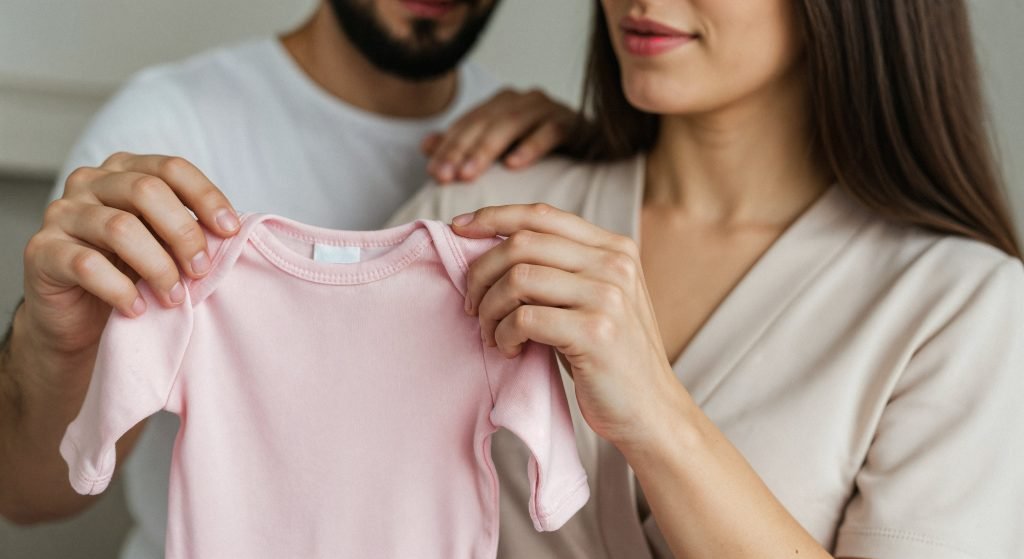
Design Details That Actually Matter at 3 AM
You know that specific 3 AM moment: baby awake, you half-asleep, fumbling with a romper in the dark and somehow losing a snap behind the cot. Good design is not a luxury. It is the difference between a 90-second change and a full-baby-wake situation.
Snaps vs. Zippers: The Honest Breakdown
|
Scenario |
Best Choice |
|
Nighttime diaper change |
Zipper: one directional pull, manageable one-handed |
|
Daytime wriggly baby |
Snaps: more control points, change one section at a time |
|
Cold weather (metal contact) |
Snaps or a fully covered zipper |
|
Speed priority |
Zipper: 3 to 5 seconds vs. 15 to 30 for snaps |
|
One-handed operation |
Zipper |
|
GOTS hardware compliance |
Both, but verify hardware separately |
On the zipper front: look for a full-length fabric guard that covers the zip. This eliminates cold metal-on-skin contact and prevents pinching. On the snap front: GOTS prohibits nickel-releasing hardware, so any GOTS-certified romper should already have this covered but it is worth checking.
Now for sizing. Babies grow at a pace that feels almost aggressive in the first six months. Fold-over cuffs add six to eight weeks of wearable life on sleeves and legs. Envelope or crossover necklines stretch to accommodate larger head circumference without forcing you to size up. And one thing most brands will not advertise: unshrunk organic cotton loses 8 to 12 percent of its dimensions in the first wash. Always ask whether the fabric is pre-washed before cutting.
For GSM: everyday year-round wear sits best at 180 to 200 GSM. Think of it as thread count for baby clothes. Higher means warmer and more durable, which is exactly what you want for the best organic cotton rompers in daily rotation.
Check our complete baby sizing guide here.
Our Top Organic Baby Romper Picks for 2026
Every romper below is independently verified against GOTS or OEKO-TEX Standard 100. We cross-referenced certification numbers in the public databases so you do not have to. This year’s palette leans earthy: terracotta, sage, oatmeal, dusty botanicals and stone neutrals dominate. Every pick below reflects that direction.
Pick 1: Best Overall GOTS-Certified Organic Romper
Certification: GOTS Certified (verify at global-standard.org) Why We Chose It: Full supply-chain certification, covered zipper for nighttime ease and a 185 GSM pre-washed fabric weight that holds its shape wash after wash. Best For: Everyday wear, all skin types, the one romper to get right 2026 Style Note: Oatmeal and warm stone colorways that work across any nursery palette
Pick 2: Best for Sensitive Skin and Eczema
Certification: GOTS Certified Why We Chose It: Flatlock seam construction (no raised internal seam edges against skin) and printed labels only, no sewn-in scratchy tags. This is the one for reactive, eczema-prone or premature baby skin. Best For: Non-toxic baby rompers for eczema-prone infants 2026 Style Note: Unbleached undyed or single low-impact-dye colorways only
Pick 3: Best Gender-Neutral Organic Romper
Certification: GOTS or OEKO-TEX Standard 100 Why We Chose It: Built for hand-me-down longevity. Gender-neutral from the color down, certified from the fiber up and durable enough to pass through two children without losing structure. Best For: Gender-neutral nurseries, second-hand planning and gifting 2026 Style Note: Sage, dusty terracotta and stone colorways that photograph beautifully
Pick 4: Best Organic Romper as a Baby Shower Gift
Certification: GOTS or OEKO-TEX Standard 100 Why We Chose It: Gift-ready packaging, elevated presentation and a certification story worth telling the parents. Beautiful enough to give and safe enough to actually matter. Best For: Gift-givers who want substance behind the aesthetics 2026 Style Note: Dusty botanicals in gift-ready earth tones
Pick 5: Best Budget-Conscious Organic Option
Certification: OEKO-TEX Standard 100 Why We Chose It: Not GOTS (and we are transparent about that) but a significantly safer choice than uncertified clothing. For the 0 to 3 month stage where a baby wears a garment 8 to 12 times before sizing out, OEKO-TEX Standard 100 hits the right balance of safety and cost. Best For: Fast-growth phases, parents stocking multiple sizes at once 2026 Style Note: Simple oatmeal and sage basics
Not sure which pick suits your baby’s specific situation? Answer 3 questions and we will match you to the right organic romper.
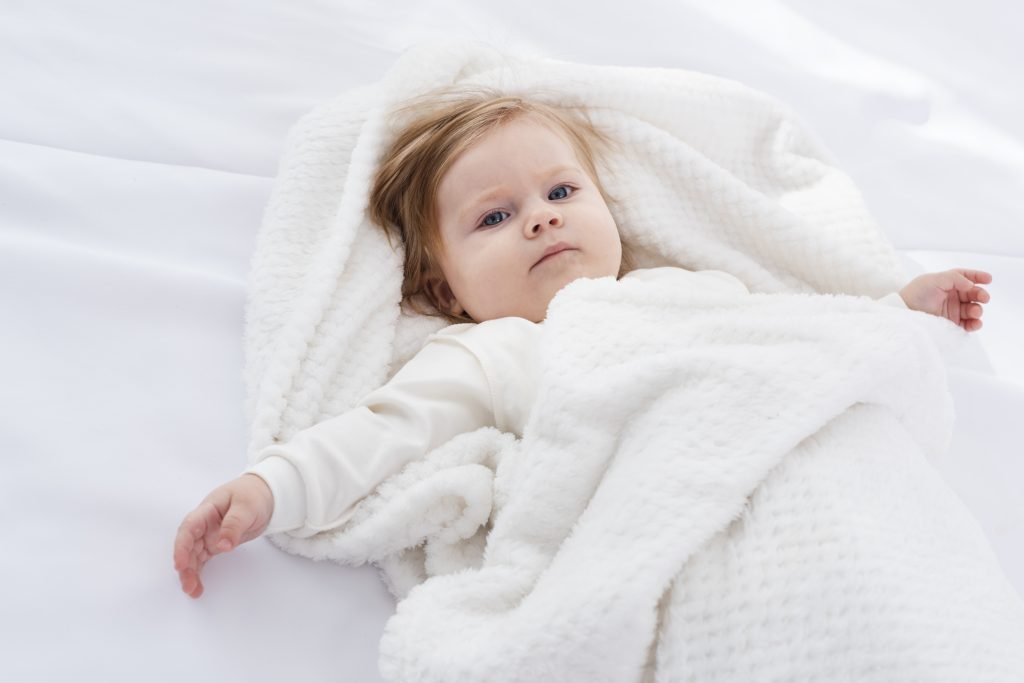
Is Organic Really Worth the Price? The Honest Answer.
Yes. Here is the math.
A conventional fast-fashion romper costs $8 to $12, survives 15 to 25 washes and has minimal resale value. Working out to roughly $0.25 per wear. A GOTS-certified organic romper costs $28 to $40, maintains structural quality through 60 to 80 or more washes and resells at 40 to 60 percent of its original price on platforms like Kidizen or Poshmark. Effective cost after resale: approximately $0.17 per wear.
The organic romper is not just safer. It is cheaper per wear.
|
Fast Fashion Romper |
GOTS Organic Romper |
|
|
Purchase price |
$8 to $12 |
$28 to $40 |
|
Wash durability |
15 to 25 cycles |
60 to 80+ cycles |
|
Resale value |
5 to 15% of retail |
40 to 60% of retail |
|
Cost per wear (after resale) |
~$0.25 |
~$0.17 |
|
Suitable for second child |
Rarely |
Almost always |
The math makes organic the financially responsible choice.
Then there is the health side of the ledger. A pediatric dermatologist visit runs $150 to $350. Ongoing prescription eczema treatment costs $50 to $150 per month. A single avoided dermatologist visit pays for multiple GOTS-certified organic rompers. That is not fear-mongering. That is just arithmetic.
And when you buy organic, you are buying for the baby after this one too. Fast fashion at 20 to 25 wash maximum goes to landfill before a second child ever touches it. Organic goes another full lifetime.
Ready to invest in your baby’s skin health? Explore our verified organic romper picks above or browse our full sustainable baby collection.
Want to think longer-term? Read our guide to building an organic baby capsule wardrobe.
Choosing organic for a newborn is not perfectionism. It is a well-reasoned decision that the science backs up, the math confirms and every pediatric dermatologist would applaud. At Lumera Fashion, our role is simple: do the certification legwork you do not have time to do, verify every pick independently and point you toward what actually works in 2026. You do the parenting. We will handle the fabric research.
Explore next: Organic Baby Bedding Guide | Eco-Conscious Baby Shower Gift Guide | How to Wash Organic Baby Clothes
Get our weekly sustainable style guide: zero fluff, only verified picks and 2026 trend forecasts delivered to your inbox.
Frequently Asked Questions About Organic Baby Rompers
Are organic baby rompers actually worth the higher price?
Yes, and the numbers make the case clearly. A GOTS-certified organic romper works out to approximately $0.17 per wear after resale value, compared to roughly $0.25 for a conventional fast-fashion alternative. Factor in that a single avoided pediatric dermatologist visit ($150 to $350) covers the cost of multiple certified rompers and the financial case for organic becomes obvious. When you account for resale value and wash durability, organic costs less in practice.
What is the difference between GOTS certified and OEKO-TEX for baby clothes?
GOTS certifies the full supply chain from fiber to finished garment and requires a minimum of 95 percent organic fiber, prohibiting over 100 chemical inputs throughout the manufacturing process. OEKO-TEX Standard 100 tests the finished product for 118 or more harmful substances but does not require any organic fiber content. The best choice is a product carrying both certifications. Verify GOTS credentials at global-standard.org and OEKO-TEX at oeko-tex.com.
How do I know if a baby romper is truly organic and not just greenwashed?
“Natural,” “eco-friendly” and “organic” on a label without a certification logo are unverifiable marketing claims. Only GOTS and OEKO-TEX Standard 100 are independently audited with public verification databases. The 30-second check: find the brand’s license number on the product label or their website and search it at global-standard.org. No license number means no verified certification. That is your red flag.

Most men sidestep improving their style not because they lack interest. Nobody ever gave them a coherent entry point. Men’s fashion does not demand a lavish budget or an innate aesthetic sensibility. It demands a system. Here is one.
Men's Fashion for Beginners Starts Here: And It Is Simpler Than You Think
You want to dress better but do not know where to begin. Most style advice assumes you already own a functional wardrobe vocabulary, which makes it useless for everyone else. This guide covers fit, foundational pieces, color logic, outfit formulas and grooming in a sequence that compounds. Start at the top. Work down.
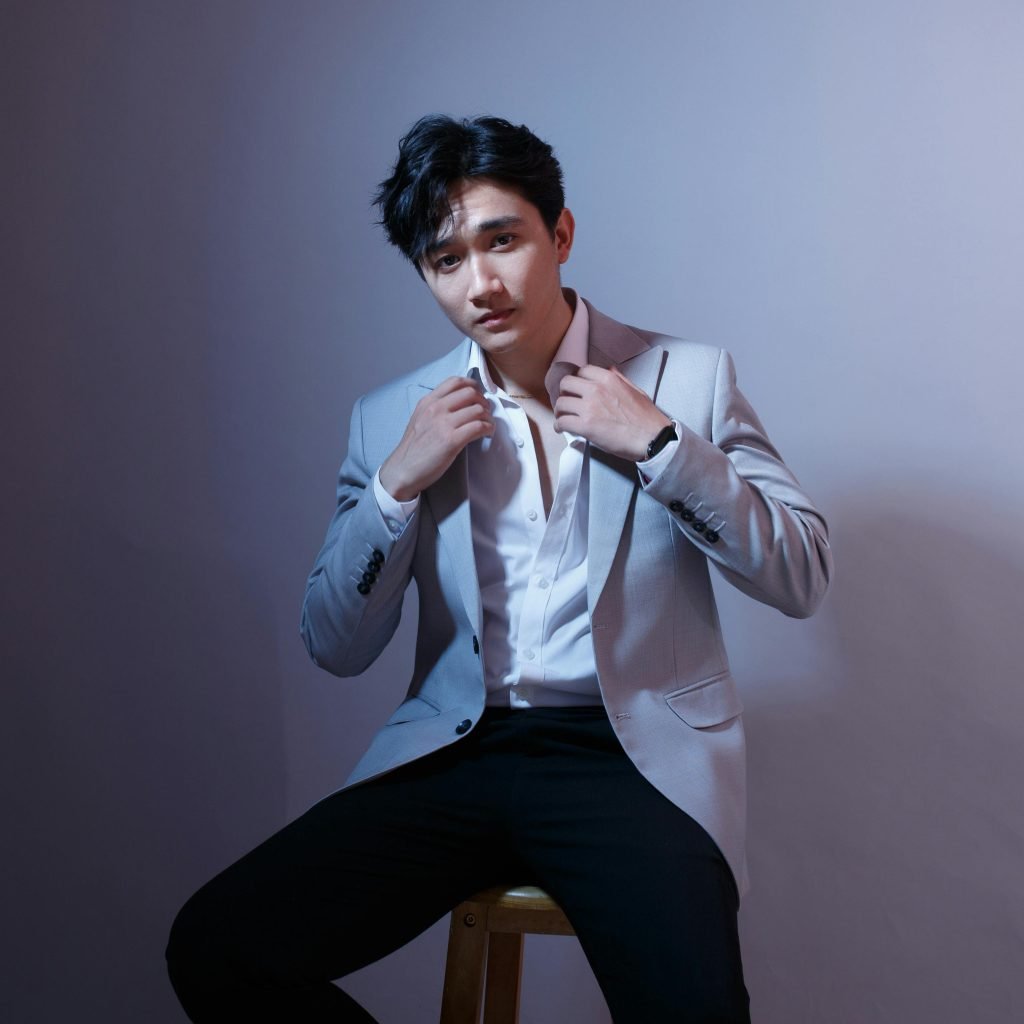
Style Is Not About Standing Out: It Is About Looking Intentional
Every well-turned-out man you have encountered acquired that quality. No one inherits it. Style is a learnable craft. Dressing well at the beginner level is not about audacious choices or conspicuous labels. It is about looking deliberate. Fit, cleanliness and tonal coherence will carry you further than any premium brand ever could.
The Only Fashion Rule You Need to Know First: Fit Beats Everything
Expensive clothes look shabby when they do not fit. Beginner wardrobes overflow with serviceable pieces that simply occupy the wrong dimensions. Pinch the fabric at either side of your torso. More than two inches of surplus means the shirt is oversized. A $15 alteration on a $30 shirt can make it read like it cost $150. Run this test on what you already own before buying anything new.
The Quick Fit Test: Does Your Clothing Actually Fit?
Body Area | What Good Fit Looks Like | Common Beginner Mistake |
|---|---|---|
Shoulders | Seam sits exactly at the edge of the shoulder bone | Seam droops over the arm |
Shirt chest | Buttons close flat without pulling or gaping | Fabric pulls across chest when buttoned |
Shirt length | Hem does not go below the first belt loop when untucked | Shirt hangs past the hip |
Sleeves | End at the wrist bone | Too long (covers hand) or too short (shows a gap) |
Trouser waist | Sits flat without cinching with a belt | Belt required just to hold waistband up |
Trouser thigh | Fabric skims but does not cling | Creasing or pulling across the thigh |
Trouser length | Just grazes the top of the shoe | Fabric pools and bunches at the ankle |
Jacket shoulders | Seam at the shoulder bone, same as shirts | Jacket sits too wide |
Jacket length | Ends at the knuckle when arm hangs naturally | Too short or too long, both read as wrong |
Download the free PDF version to take shopping. Explore our Men’s Capsule Wardrobe Guide for deeper wardrobe guidance.
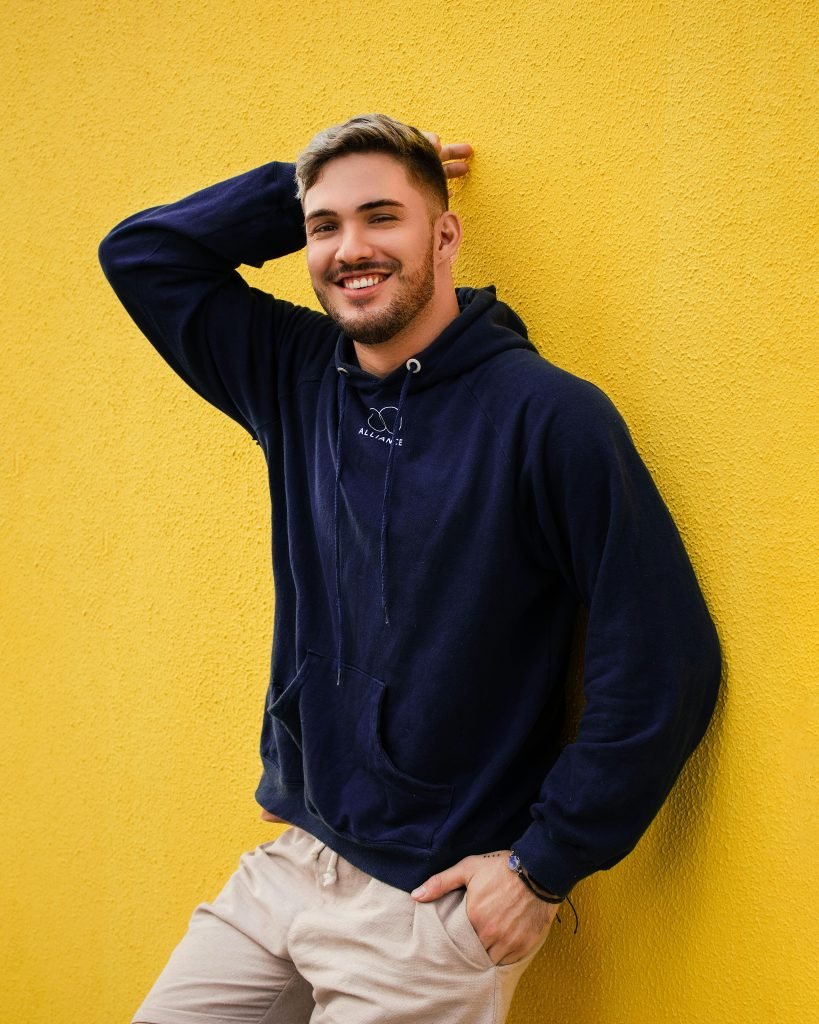
You Do Not Need More Clothes: You Need the Right 10 Pieces
Before spending anything, run the three-pile audit: Keep (fits and coordinates), Repair or Tailor (salvageable) and Remove (wrong fit or never worn). Ten well-curated pieces yield over 30 workable combinations. Cost-per-wear logic makes the case: $150 Chelsea boots worn 200 times cost $0.75 per use. A $20 trend trainer worn 15 times costs $2.00. The frugal choice was not the economical one. Entry-level brands under $50: ASOS, H&M, Uniqlo, Zara. Step-up tier ($50-$150): Banana Republic, COS, Everlane, Thursday Boot Company.
The Beginner Wardrobe Checklist: Buy These in This Order
# | Item | Why It Matters | How to Wear It | Pairs Well With | Essential or Optional |
|---|---|---|---|---|---|
1 | Plain white T-shirts (buy 3) | Foundation of every casual outfit | Alone or layered under shirts and sweaters | Everything in the wardrobe | Essential |
2 | Dark slim jeans | Most versatile trouser for casual and smart casual | With T-shirts, shirts, sweaters and polos | Every shoe type | Essential |
3 | Tan or navy chinos | Immediately elevates above jeans | With Oxford shirts, sweaters and blazers | Loafers, Chelsea boots, sneakers | Essential |
4 | White or light blue Oxford shirt | Works casual and smart casual | Untucked with rolled sleeves (casual) or tucked (smart casual) | Dark jeans, chinos, trousers | Essential |
5 | Clean white leather sneakers | Highest-impact casual shoe | With jeans, chinos and casual trousers | Every casual outfit | Essential |
6 | Chelsea or chukka boots | Bridges casual and smart casual | With jeans for smart casual or chinos for business casual | All trouser types | Essential |
7 | Plain crewneck sweater (grey or navy) | Adds warmth and layering without complexity | Over a T-shirt or Oxford shirt | Dark jeans, chinos | Essential (cooler seasons) |
8 | Bomber or harrington jacket | Completes casual outfits | Over a T-shirt and jeans | Dark jeans, chinos | Essential |
9 | Navy blazer | Single most powerful smart casual upgrade | Over a T-shirt or Oxford shirt | Every trouser type | Essential |
10 | Leather belt (brown and black) | Completes trouser outfits, follows shoe-matching rule | With all belted trousers | Coordinating shoes | Essential |
Read our Men’s Capsule Wardrobe: 20 Pieces for Every Occasion for a granular breakdown of each item.
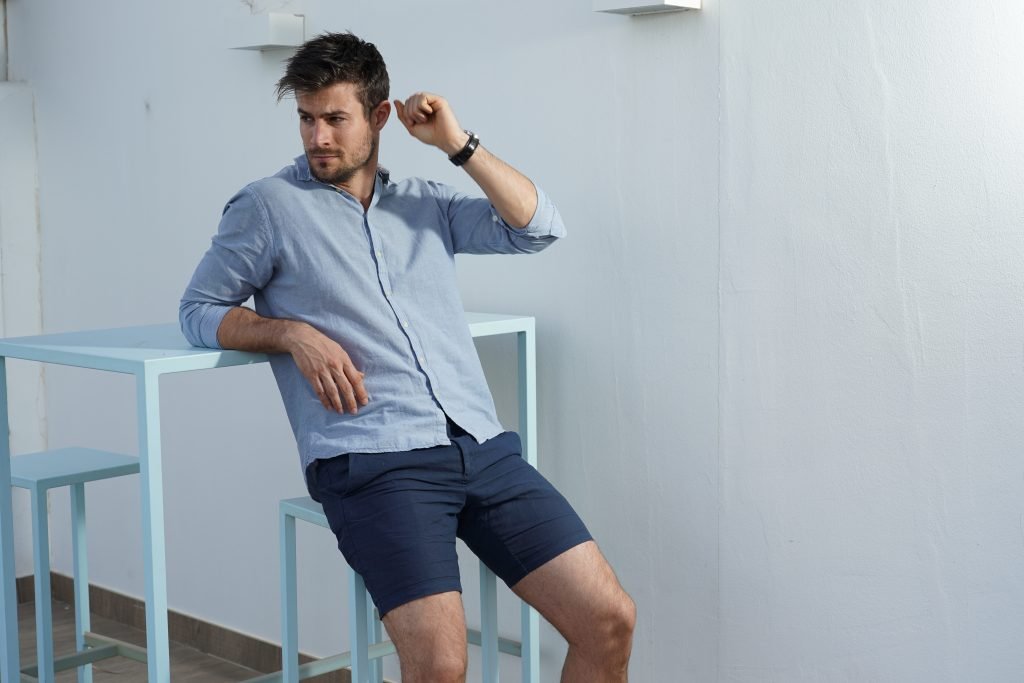
Stop Guessing What to Wear: Use These 5 Outfit Formulas Instead
An outfit formula is a pre-resolved combination that always coheres. No deliberation required each morning. Select a template and execute it.
Outfit Formula | Items | Best For | Why It Works | Beginner Tip |
|---|---|---|---|---|
The Weekend Classic | White T-shirt + dark slim jeans + white leather sneakers + simple watch | Weekend errands, coffee, casual meetups | Neutral palette, zero pattern conflict, zero decision fatigue | Optional upgrade: Add a navy bomber jacket |
The Smart Casual Standard | Oxford shirt (untucked, sleeves rolled) + tan chinos + Chelsea boots | Dinner, evening out, casual office | Rolled sleeves feel relaxed. Boots signal intention. Reads as effortless. | Optional upgrade: Add a navy blazer |
The Date Night Formula | Dark jeans + grey or navy crewneck sweater + Chelsea boots + simple watch | First dates, dinner, evening events | Composed but unhurried. Registers as deliberate without overreach. | Optional upgrade: Swap sweater for a slim Oxford shirt |
The Office-Ready Look | Navy trousers + white Oxford shirt (tucked) + suede loafers + tan belt | Business casual office, client meetings | Tonal navy reads as considered. Tan accents introduce warmth. | Optional upgrade: Add a navy blazer or grey sport coat |
The Elevated Casual | Dark slim jeans + plain polo shirt + clean leather sneakers or loafers | Outdoor events, garden parties, summer | A polo lifts the register above a T-shirt with zero additional effort | Optional upgrade: Swap polo for a linen shirt |
Blazer Over Basics | White T-shirt + dark jeans + white sneakers + navy blazer | Smart casual events, dinners, gallery visits | The blazer shoulders the style burden. The basics stay unobtrusive. | Fit on the blazer is non-negotiable |
What to Wear for Every Occasion: Quick Reference
Where Are You Going? | Formula to Use | One Thing to Avoid |
|---|---|---|
Weekend errands or coffee | The Weekend Classic | Gym trainers |
Casual lunch or brunch | The Weekend Classic + harrington jacket | Oversized or creased clothing |
First date | The Date Night Formula | Over-formalizing with a full suit |
Casual office | The Smart Casual Standard | Athletic trainers with chinos |
Client meeting or interview | The Office-Ready Look | Jeans (if unsure about office culture) |
Friend’s wedding | The Office-Ready Look + blazer | Jeans and trainers |
Evening out | The Date Night Formula or Smart Casual Standard | Athletic wear |
Explore our Seasonal Men’s Fashion Guide for outfit variations by season.
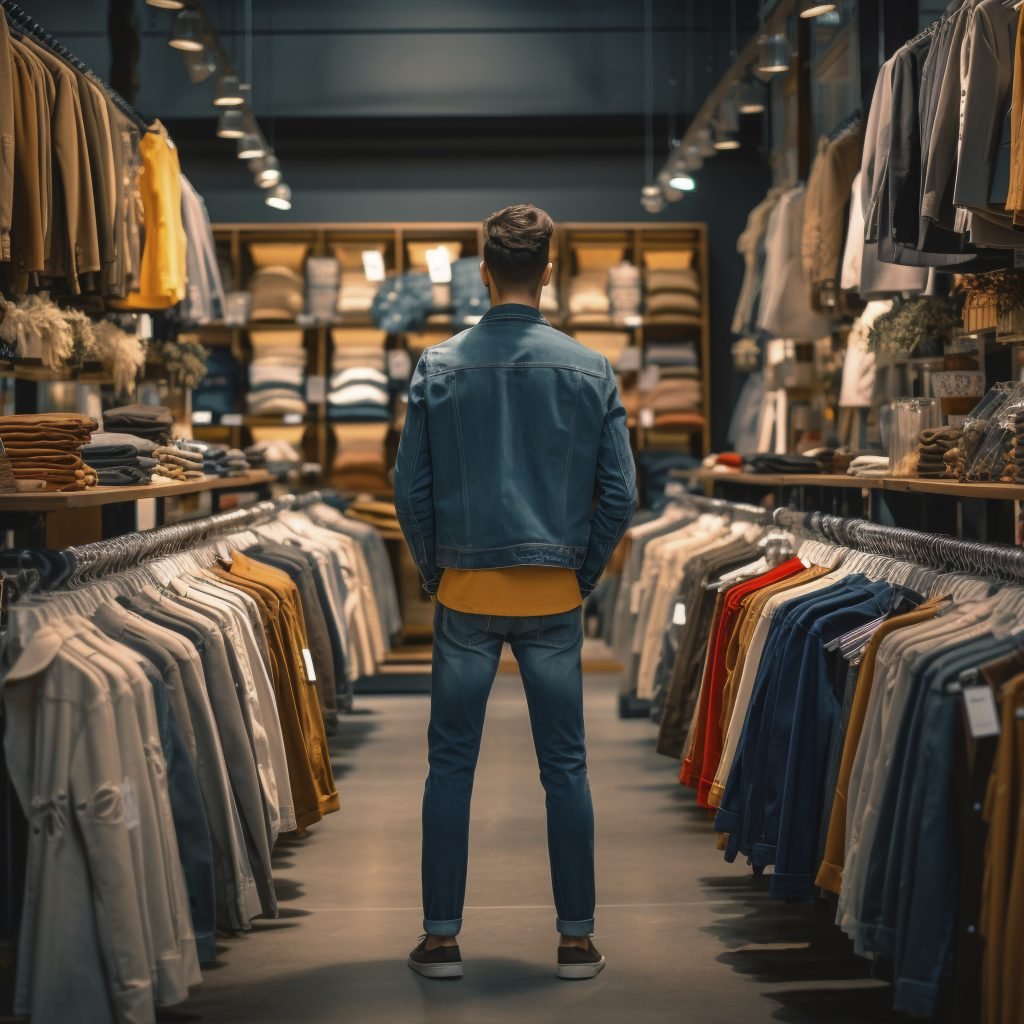
The Simple Color System Every Beginner Man Needs
You do not need color theory. Three zones handle everything.
The Traffic Light Color System
Zone | Colors | Rule | Beginner Example |
|---|---|---|---|
🟢 Green (Always Safe) | Navy, grey, white, black, tan, olive, burgundy | Two green zone items always cohere | Grey sweater + navy jeans + white sneakers |
🟡 Yellow (Use Carefully) | Light blue, rust, forest green, mustard, stone | One yellow zone item per outfit maximum | Tan chinos + light blue shirt + white sneakers |
🔴 Red (Advanced Only) | Bright red, bright yellow, pink, purple, loud patterns | Only after mastering green and yellow | Not yet. Return here after building the foundation. |
Three dependable color combinations:
Name | Colors | When to Wear It |
|---|---|---|
The Classic | Navy + White + Tan | Every occasion, every season |
The Urban Minimal | Grey + Black + White | Casual and smart casual |
The Earthy | Olive + Cream + Brown | Casual, weekend and outdoor |
Three chromatic errors to eliminate:
Mistake | Why It Misfires | The Fix |
|---|---|---|
Navy + black together | Reads as inadvertent rather than considered | Swap black for grey, white or tan |
Head-to-toe single color in casual settings | Registers as costumed rather than stylish | Break it with one contrasting neutral |
Two competing patterns simultaneously | Creates visual cacophony | One pattern per outfit at beginner level |
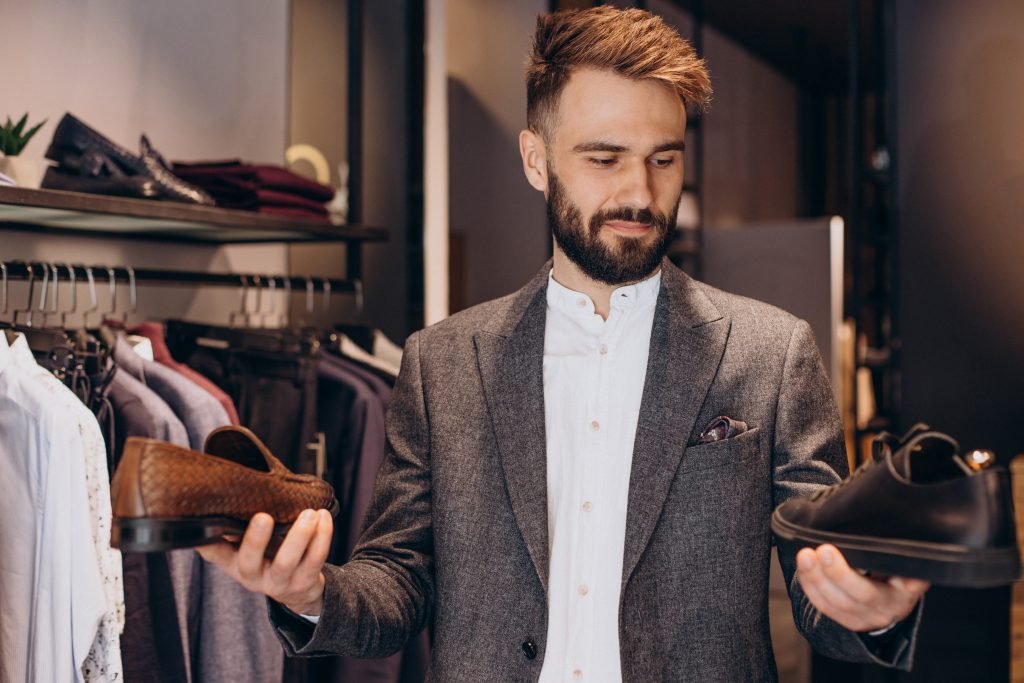
The Right Shoes Finish an Outfit. The Wrong Shoes Undo Everything.
Dilapidated footwear corrodes an otherwise sound outfit instantly. Priority order for constrained budgets: white leather sneakers first, Chelsea or chukka boots second, leather or suede loafers third. One non-negotiable boundary: athletic trainers belong in the gym. Pairing running shoes with chinos and a blazer collapses the entire register.
Which Shoes Work With Which Outfits?
Shoe Type | Casual | Smart Casual | Business Casual | Semi-Formal |
|---|---|---|---|---|
Clean white leather sneakers | ✓ | ✓ (limited) | ✗ | ✗ |
Chelsea boot | ✓ | ✓ | ✓ | ✓ (limited) |
Chukka boot | ✓ | ✓ | ✓ (limited) | ✗ |
Leather or suede loafer | ✓ (limited) | ✓ | ✓ | ✓ |
Oxford or derby shoe | ✗ | ✓ (limited) | ✓ | ✓ |
Athletic running trainer | Gym and sport only | ✗ | ✗ | ✗ |
Read our Men’s Shoe Guide: The 5 Pairs You Actually Need for a complete purchase roadmap.
Grooming Is the Style Multiplier Most Men Are Missing
Your outfit is the frame. Your grooming is the picture inside. Both halves need attention. Five habits, under $50 to initiate: a haircut every four weeks, a daily facial cleanser, SPF moisturizer, trimmed nails and a considered fragrance. That is the entire starter routine.
For the full step-by-step routine, read our Men’s Grooming for Beginners: A 5-Minute Daily Routine.
Style Is Often About What You Leave Out, Not What You Add
One statement per outfit. One element draws the eye: shoes, watch, jacket or a single accessory. Everything else recedes. Two visible accessories maximum. The starter pack: a spare analog watch, a leather belt in brown and black, one unadorned chain worn alone and sunglasses suited to your face geometry. Read our Men’s Accessories Guide for Beginners for a fuller treatment.
Understanding Dress Codes: Where Does Your Outfit Sit on the Style Spectrum?
Smart casual means composed but not ceremonial. Casual clothing upgraded with one deliberate element. Simplest formula: dark jeans or chinos plus a collared shirt plus boots or loafers. The One Upgrade Method handles every transition: swap the hoodie for a collared shirt, the trainers for boots or the joggers for chinos. One substitution separates casual from smart casual.
Style Type | What It Means | Example Outfit | When to Wear It | Beginner Mistake to Avoid |
|---|---|---|---|---|
Casual | Relaxed, low dress-code pressure | White T-shirt + dark jeans + white sneakers | Weekend, errands, casual hangouts | Deteriorated clothes and gym trainers |
Smart Casual | Composed but not ceremonial | Oxford shirt + chinos + Chelsea boots | Dinner, dates, smart social events | Over-formalizing with a full suit |
Business Casual | Professional without a full suit | Trousers + tucked shirt + loafers + optional blazer | Office, client meetings | Jeans without confirming office culture |
Business Formal | Full suit territory | Suit + dress shirt + tie + Oxford shoes | Formal work events, interviews | Wearing an ill-fitted suit |
Black Tie | Formal evening events | Tuxedo or dinner jacket | Galas, formal weddings, awards evenings | Arriving in a regular suit |
Read our Smart Casual Guide for Men for a complete breakdown with occasion-mapped formulas.
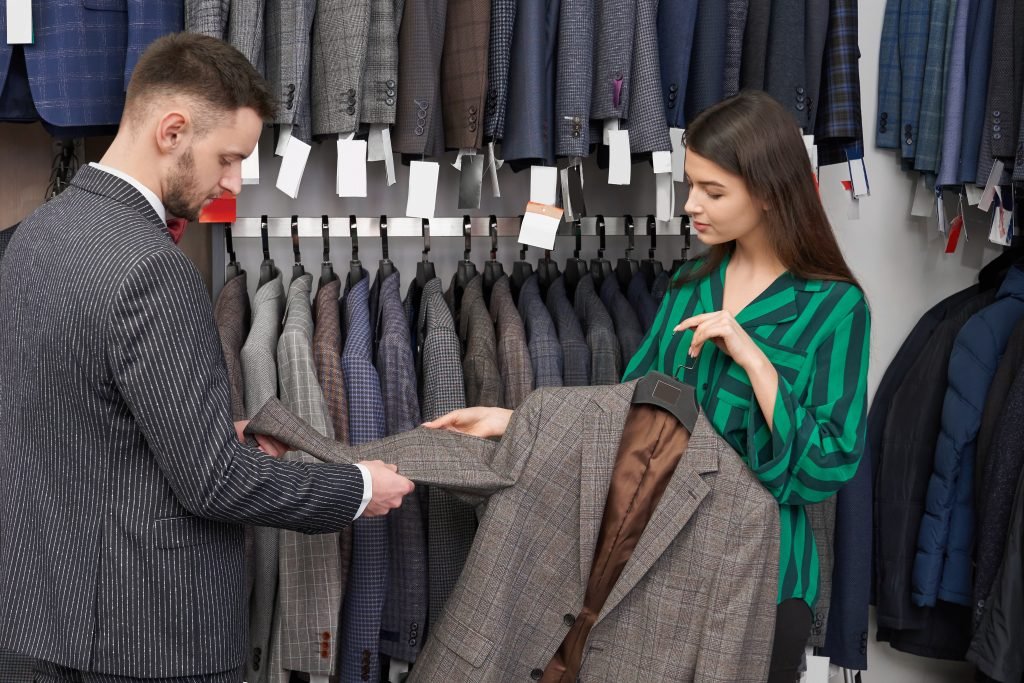
The 10 Style Mistakes Most Beginner Men Make (And How to Fix Each One)
These are predictable beginner patterns. Every well-dressed man corrected them at some point.
Mistake | Why It Undermines Your Style | Simple Fix | The Better Principle |
|---|---|---|---|
Wearing oversized clothes | Obscures body structure and reads as unintentional | Try one size smaller and run the shoulder seam test | If the seam droops past the shoulder bone, it is too big |
Mixing navy and black | Reads as a color error rather than a deliberate pairing | Pair navy with grey, white or tan instead | Navy and black are incompatible at beginner level |
Athletic trainers with smart casual outfits | Collapses the formality of the entire look | Own clean leather sneakers reserved for non-gym use | Athletic footwear belongs in athletic contexts |
Mismatched belt and shoe color | Conspicuous and reads as inattentive | Black shoes need a black belt. Brown shoes need a brown belt. | Leather tones must correspond |
Shirt hem too long when untucked | Looks disproportionate and unresolved | Hem should not drop below the first belt loop | If it grazes the thigh, it is too long |
Trouser fabric pooling at the ankle | Signals incorrect sizing | A tailor hems trousers for $10 to $20 | Trousers should just graze the shoe’s upper |
Buying trend items before building a foundation | Produces an unbalanced, incoherent wardrobe | Build the 10-item base first | Trends follow the foundation. Never precede it. |
Deteriorated shoes with new outfits | Signals inattention immediately | Clean after every five wears. Replace when the sole degrades. | Shoes complete or compromise the entire outfit |
Head-to-toe one color in casual settings | Registers as costume rather than considered style | Layer tones using the Traffic Light System | Green zone base plus one accent color |
Never using a tailor | Leaves affordable garments looking cheap | A hem or taper costs $10 to $25 and transforms the garment | Tailoring is the terminal step of any clothing purchase |
Read our Men’s Capsule Wardrobe Guide for more on building an intentional wardrobe.
Men's Fashion on a Budget: You Do Not Need to Spend More. Just Spend Smarter.
$150 Chelsea boots worn 200 times cost $0.75 per use. A $20 trend trainer worn 15 times costs $2.00. The frugal option was not the economical one. Invest in shoes, a well-proportioned blazer, quality denim and a classic timepiece. Save on T-shirts, casual shorts and trend pieces. A $25 alteration on a $30 shirt outperforms a $100 shirt in the wrong size every time.
Tier | Brands | Price Range |
|---|---|---|
Entry Level | ASOS, H&M, Uniqlo, Zara, Target basics | Under $50 per item |
Step-Up | Banana Republic, COS, Everlane, Thursday Boot Company | $50 to $150 per item |
Read our Best Affordable Men’s Fashion Brands Guide. Join the Lumera Fashion newsletter for weekly style guidance calibrated to real budgets.
Your Four-Week Plan for Dressing Better Starting This Week
Week 1: Fix What You Already Own
- Run the three-pile wardrobe audit (Keep, Repair or Tailor, Remove)
- Take the fit test on your five most-worn shirts, trousers and jackets
- Flag anything worth taking to a tailor
- Clean all footwear and replace worn laces
- Begin the five-item grooming habit
Week 2: Build the Foundation
- Purchase the first three wardrobe checklist items: white T-shirts, dark slim jeans and tan chinos
- Add an Oxford shirt if absent from your wardrobe
- Designate one neutral sneaker and one boot as your primary footwear
- Apply the Traffic Light System to every outfit decision this week
Week 3: Deploy the Formulas
- Wear two outfit formulas from this guide across the week
- Note what still feels unresolved then recheck the fit
- Introduce one smart casual formula into your regular rotation
- Take one garment to a tailor if the fit test surfaced something fixable
Week 4: Refine and Extend
- Add one accessory from the starter pack
- Add a navy blazer if the budget permits. It expands every formula you already own.
- Audit your wardrobe against the Traffic Light System
- Work through the related Lumera Fashion guides linked throughout this article
Explore our full Men’s Style Guide as you complete Week 4.
Men's Fashion for Beginners: Frequently Asked Questions
What should a beginner know about men’s fashion? Start with fit. A well-fitting $30 shirt outperforms a drooping $200 one. Build a foundation of basics before acquiring trend pieces and use structured outfit formulas. Men’s fashion for beginners is a system, not an aesthetic identity to conjure from scratch.
How can a man start dressing better? Run the fit test on what you currently own. Do the three-pile audit. Purchase the first three wardrobe checklist items. Use the Weekend Classic formula this week. Learning how to dress better for men does not begin with a shopping trip.
What clothes should every man own? White T-shirts, dark slim jeans, tan chinos, an Oxford shirt, white leather sneakers and Chelsea boots form the non-negotiable foundation. These men’s wardrobe essentials generate over 30 combinations from ten pieces.
How can men look stylish on a budget? Apply cost-per-wear logic. Allocate more to shoes and foundational pieces. Spend less on trend items. Tailor affordable garments instead of buying costly ones in the wrong size. Men’s fashion on a budget is strategic allocation, not austerity.
What are the biggest men’s fashion mistakes? Oversized clothing, navy-and-black pairings, athletic trainers in smart casual contexts and unattended trouser length. All fixable without new purchases. The mistakes table above covers ten with direct remedies.
How do men match clothes properly? Use the Traffic Light System. Green zone items always cohere. One yellow zone item per outfit maximum. Three dependable combinations: The Classic, The Urban Minimal and The Earthy. Learning how to match clothes as a man becomes reflexive once you know each color’s zone.
What is smart casual for men? Composed but not ceremonial. Casual clothing upgraded with one deliberate element: a collared shirt, boots or a blazer. Smart casual outfits for men are built on the One Upgrade Method.
How many clothes does a beginner wardrobe need? Ten well-chosen pieces produce over 30 distinct combinations. A sprawling wardrobe of ill-fitted garments is harder to dress from than a taut ten-piece edit.
Are expensive clothes necessary to look stylish? No. Fit governs how clothing reads, not price. A $40 shirt that fits outperforms a $300 shirt that droops. Cost-per-wear thinking clarifies this every time.
What shoes should every man own? White leather sneakers first. Chelsea or chukka boots second. Leather or suede loafers third. Reference the shoe pairing table above for which types work at each style level.
Explore all men’s fashion guides at Lumera Fashion for deeper coverage of every topic above.
Your Next Step Is Simpler Than You Think
Men’s fashion is not labyrinthine when you possess a system. Fit. Foundational pieces. Tonal logic. Outfit formulas. Maintained footwear. Grooming. That is the architecture. Everything else is elaboration. Start this week with the fit test. Five minutes with the clothes you already own. The goal was never to look fashionable overnight. It was to stop looking accidental. You now have the tools.
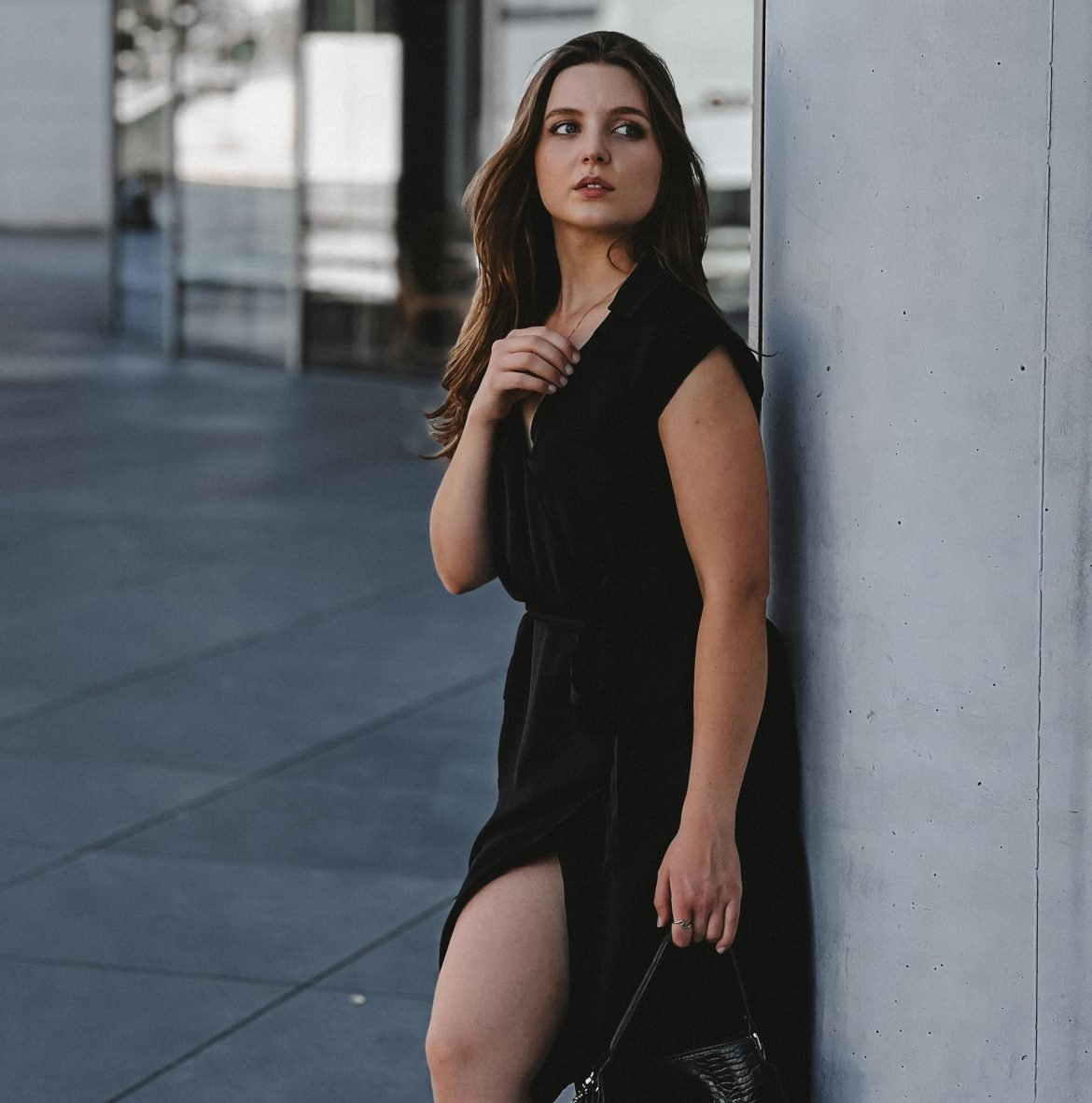
Casual Outfit Ideas for Women: 12 Cool-Girl Looks Everyone’s Wearing Right Now
by mehedi1
written by mehedi1
The contemporary style of 2026 goes beyond slapping on random basic fits, crossing fingers and hoping for the best. The trends these days circle around terms such as relaxed, refined, breathable and sophisticated. The outfits that are constantly picked by fashion enthusiasts are those that feel comfortable enough to wear on a daily basis but still seem stylish and wearable at all times. These casual outfit ideas for women below will help you look more chic without making you look like you’re trying too hard
What casual means right now
There are mostly three things that make today’s best casual looks stand out. These three crucial components include comfort, clean cuts, and intentional styling. Think about some laid back pieces with a bit of definition, soft fabrics with bold layers and simple outfits with a distinctive detail to finish them off.
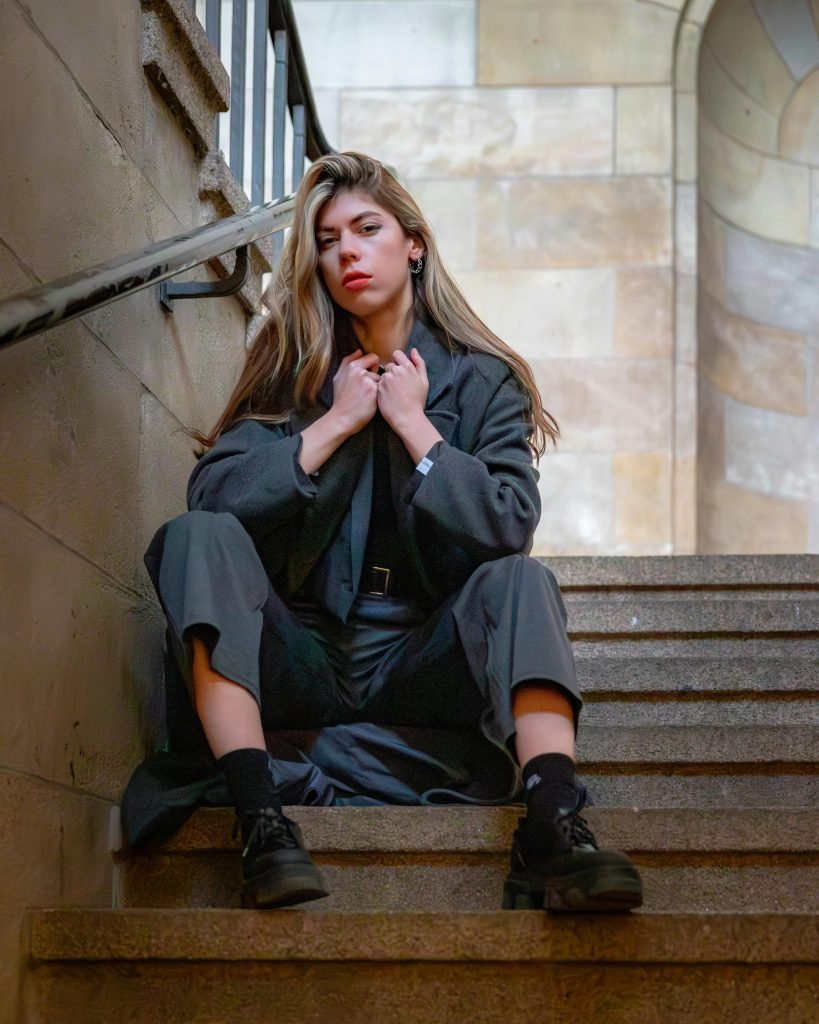
12 casual outfit ideas to copy
1. Clean-Girl Off-Duty
Wear a white T-shirt over straight-legged jeans with a pair of minimal gold hoops.
Complete the look with sleek sneakers for an effortless off-duty vibe.
2. Oversized Blazer Energy
Pair an oversized blazer with a tank top, relaxed denim, and a shoulder bag.
This outfit feels minimal, classy, and effortlessly stylish.
3. Monochrome Moment
A knitted cream sweater with cream trousers and nude flats creates a clean and elegant monochrome look with very little effort.
4. Elevated Leggings Look
Black leggings styled with an oversized button-down shirt, sleek jacket, and chunky trainers
instantly elevate a casual everyday outfit.
5. Matching Set Magic
A soft co-ord set always looks polished and comfortable at the same time.
Keep the accessories minimal and clean for an elegant finish.
6. Denim-on-Denim Comeback
A light denim shirt paired with darker jeans and a simple belt creates a timeless outfit
that never goes out of style.
7. Cool-Girl Airport Fit
Wide-leg joggers, a fitted tee, zip hoodie, and tote bag create the perfect airport outfit
with a fashionable twist.
8. Coffee-Run Cute
An oversized sweatshirt paired with biker shorts, crew socks, and sporty sneakers
balances comfort and street-style energy perfectly.
9. Tailored but Chill
Tailored trousers with an open shirt create a relaxed yet sophisticated look.
Finish with minimal jewelry for a polished touch.
10. Soft-Girl Casual
A flowy skirt paired with a baby tee creates a feminine and playful aesthetic.
Add a cozy cardigan and ballet flats for an effortlessly adorable outfit.
11. Street-Style Remix
A graphic tee, baggy jeans, bomber jacket, and statement sunglasses create
the perfect bold street-style outfit.
12. Weekend Linen Look
Linen trousers with a ribbed tank create a breezy and lightweight base,
while slides and a woven bag add the perfect summer-ready finish.
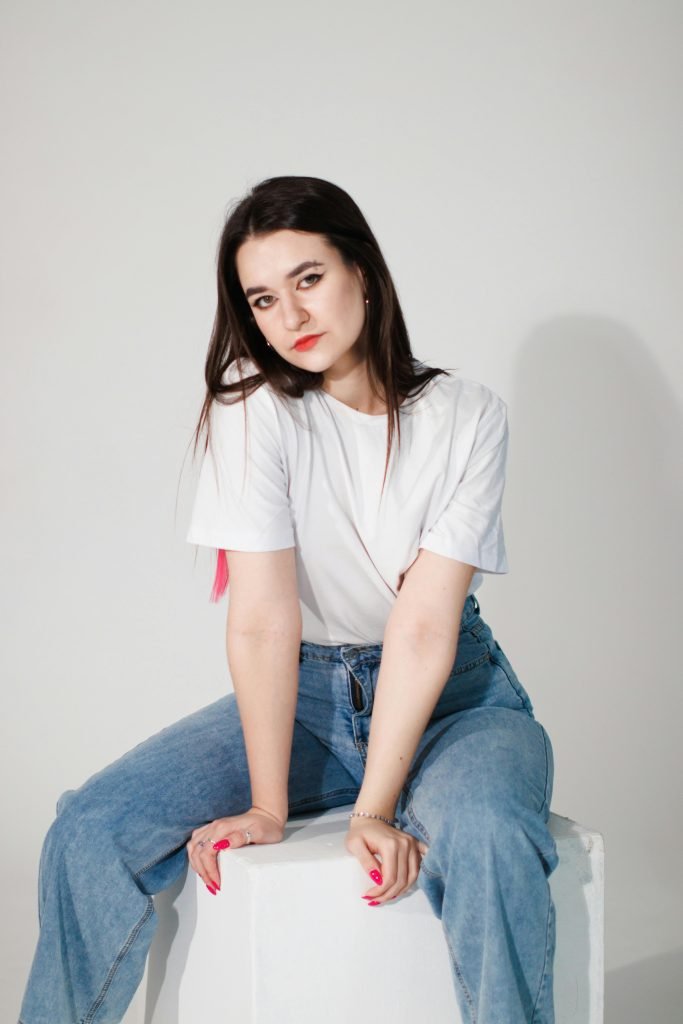
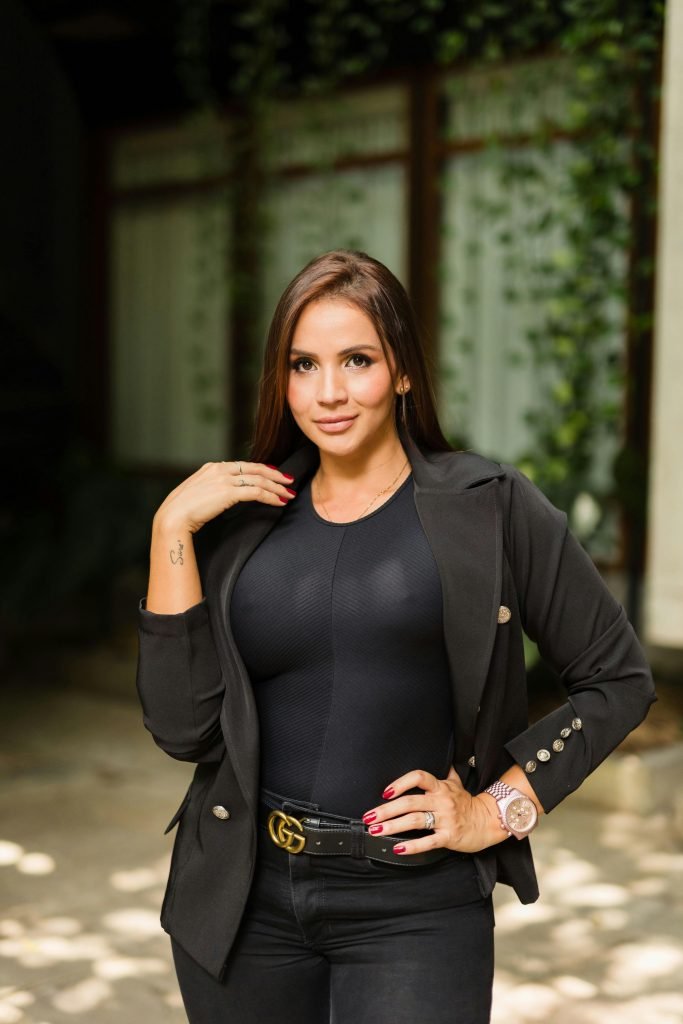
Casual vs. elevated casual
Style | Feels Like | Looks Like |
Basic casual | Comfortable | Fine, but forgettable |
Elevated casual | Comfortable + intentional | Polished, trendy, photo-ready |
A lot of the time the difference comes down to the fit, the layers, and the accessories that are worn with your desired outfit.
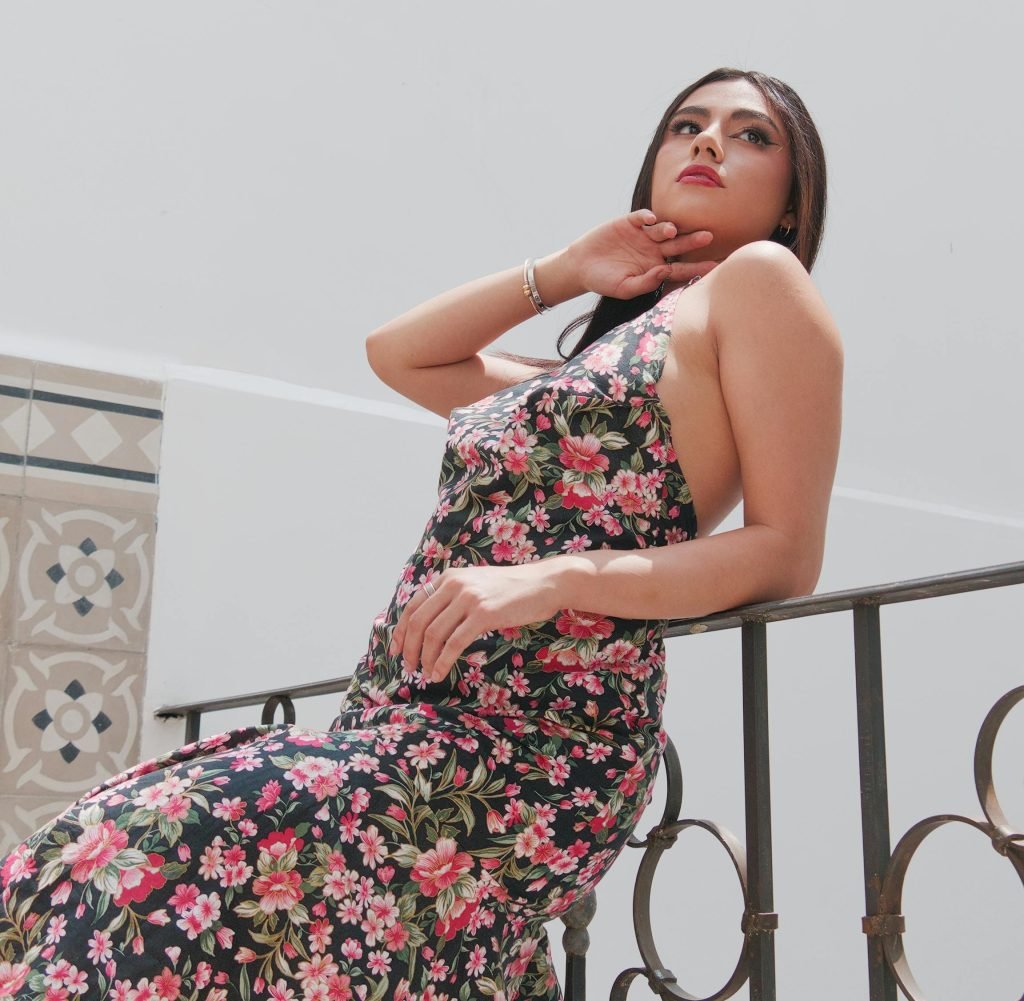
The Formula to Make Any Casual Outfit Look Expensive
Use this easy styling rule:
Basic piece + structured layer + accessory = elevated casual
Example: leggings + button-down + gold jewelry
Example: jeans + blazer + sleek bag
Build Your Casual Capsule Wardrobe (Must-Haves)
If you want more outfit options without buying everything, you can start here:
- White fitted tee
- Oversized blazer
- Straight legged jeans
- Black leggings
- Tailored trousers
- Neutral sneakers
- Linen trousers
- Simple gold jewelry
These pieces mix together easily and make everyday dressing faster and classier..
Quick style cheat sheet
Mood | Wear This |
Running errands | Leggings + shirt jacket |
Brunch | Jeans + blazer + tank |
Travel day | Joggers + hoodie + tote |
Hot weather | Linen trousers + ribbed top |
Mistakes that make casual outfits look dated
- Unbalanced oversized pieces
- Not paying attention to fabric quality
- Overdoing it with trends
The best way to approach an outfit is to keep it simple and let one item stand out. It can be a blazer, a bag, a shoe, or a pair of sunglasses. But the only way to make this trick work is by focusing on one singular statement piece and not stuffing trends together in order to make it look cool.
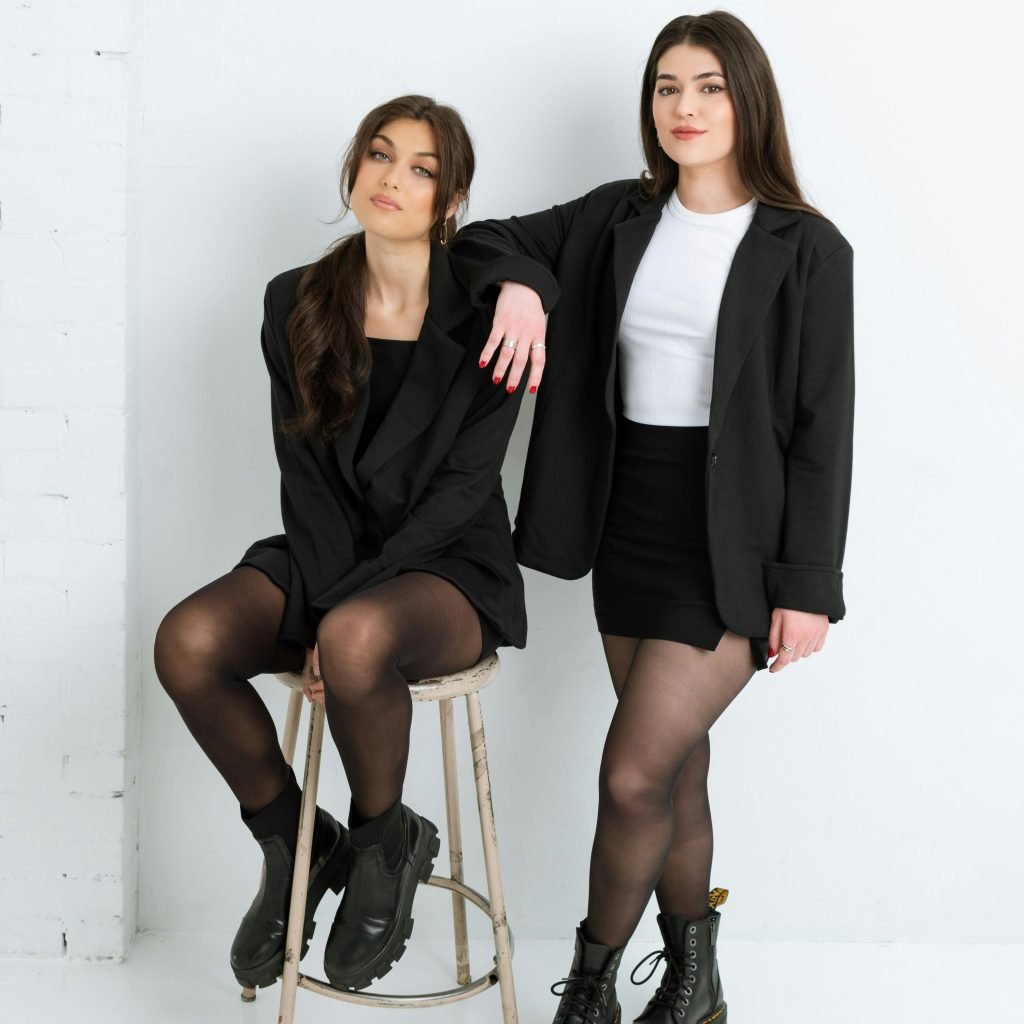
What’s your casual style
Pick your vibe:
- Minimalist: monochrome and clean lines
- Sporty: Fashionable sportswear and sneakers
- Soft: flowy shapes and light layers
- Street: oversized fits and graphic items
The best casual outfit ideas for women are ones you can wear every day. You can start off with comfort because it basically lays the foundation for everything else. If you do not feel like yourself in an outfit then there is absolutely no point of wearing it. Afterwards you can focus on design and lastly top it off with personality so that it suits you. This is the ultimate cool girl cheat code.
Final Thoughts: Casual, but Make It Stylish
A casual outfit for women in 2026 should be comfortable as well as stylish. Whether you’re doing chores, meeting friends or just enjoying the weekend these looks prove that you don’t have to give up style. Wear these cool girl outfit ideas every day and you’ll be ready for any situation. Fashion isn’t just about clothes rather it’s about how you wear them. Keep it simple, intentional, and most importantly, keep it you.
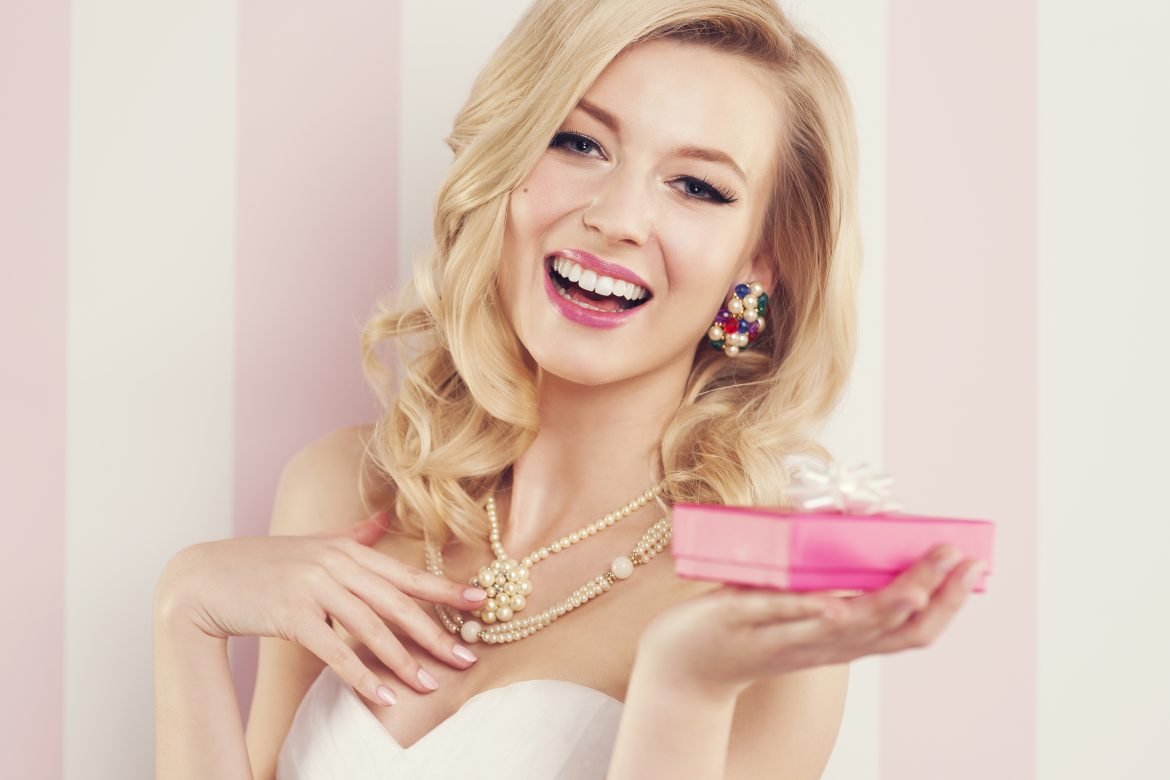
Okay so there’s expensive jewelry and then there’s the kind of jewelry that makes someone across the room go wait, is that a Love bracelet? Because those are genuinely two different things. Most luxury labels stay expensive. Only a few actually become iconic. And if you’ve ever tried to figure out which houses are worth knowing either because you’re shopping for yourself or trying to find a gift that doesn’t feel lazy, the options are overwhelming and the marketing all sounds exactly the same. This isn’t a roundup of every fancy brand that exists. It’s more like the five houses that actually earned it. Here’s why and here’s how to think about gifting from any of them.
What "Luxury" Actually Means Here
Heritage is the word every jewelry brand reaches for first. And honestly? It means almost nothing on its own. Plenty of old houses make completely forgettable pieces. What actually makes the difference and you can feel this when you hold a piece is whether the design still looks right years after you bought it. Whether you’d recognize it without a logo. Whether the craftsmanship holds up when someone looks closely, not just from across a room. Cultural visibility plays a role too. The Royals wore it. Certain women in certain eras swore by it and it showed up on the right wrists at the right moments. But that kind of visibility comes and goes. What stays is a signature that people keep wanting to wear.
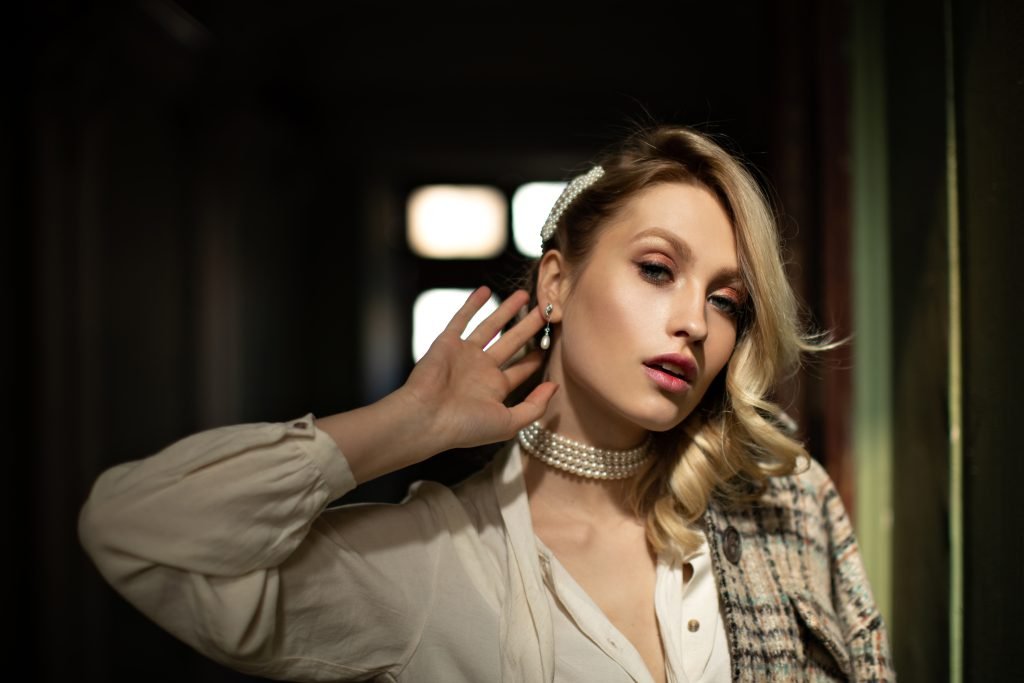
The Five Houses That Keep Coming Up
Cartier
Cartier is probably the easiest one to explain because the proof is right there in the pieces. The Love bracelet. The Trinity ring. The Juste un Clou which is literally a bent nail and somehow one of the most covetable things in fine jewelry. The Panthère motif has been running through their collections for over a hundred years and it still doesn’t feel tired. That consistency is rare in any industry, let alone one that runs on trend cycles. It’s why Cartier ends up being the quiet benchmark everything else gets measured against.
Tiffany & Co.
Tiffany & Co. figured out something that sounds simple but really isn’t. Make people feel something before they even open the box. That blue. Everyone knows that blue. But beyond the packaging the actual design legacy is the Tiffany Setting. The six-prong diamond solitaire from 1886 that basically decided what engagement rings look like forever. More than a century later and it’s still the first thing most people picture. That’s not luck. That’s a genuinely perfect design.
Van Cleef & Arpels
Van Cleef & Arpels is the one that always surprises people who haven’t paid much attention to it. It’s quieter than the others, more poetic and less interested in making a statement. The Alhambra collection, that four-leaf clover motif on long necklaces and bracelets, has barely changed since 1968 and was always meant to be a luck talisman. The meaning was built in from the start. And that’s kind of the whole philosophy. The best piece carries a story, not just a stone.
Bulgari
Bulgari is loud and knows it and doesn’t care. Where every other house on this list is doing something restrained, Bulgari is doing the opposite — heavy gold, vivid colored stones and so on. The Serpenti bracelet coiling around your wrist like it owns the place. It’s been this way since the 1950s. Distinctly Roman, dramatically itself. Not everyone’s taste but for the person who wants their jewelry to actually be seen, nothing else really compares.
Harry Winston
Harry Winston is almost the purest version of fine jewelry. Just diamonds, the best ones available, in settings designed not to compete with them. The red carpet history is genuinely unmatched. Decades of the most photographed women in the world. But what people who own Winston pieces always say is that they feel permanent. Not like a fashion moment. Like something you’re passing down.
Why Jewelry Carries Weight That Other Gifts Don't
People have been putting jewelry on their bodies to communicate things.Status, love, grief, protection and belonging etcetera for thousands of years. Ancient Egyptians wore amulets they believed would protect them in whatever came after death. In South Asian cultures, bridal gold moves between generations like a living document of the family. It’s not fashion. It’s an inheritance. A ring that belonged to your grandmother isn’t just a ring. Nobody needs to explain that to anyone who’s held one. That weight is why jewelry works as a gift in a way that most things don’t. You’re not handing someone an object. You’re handing them something that was built to outlast the moment you’re in right now.
Actually Choosing the Right Piece
The mistake most people make is shopping by category. For example, Necklace, bracelet, ring instead of by person and occasion. Those are completely different starting points and they lead to completely different results.
For anniversaries, go for something with built-in symbolism. The Cartier Love bracelet exists for exactly this reason. The meaning is already in the object, you don’t have to manufacture it.
For milestone birthdays, forget what’s trending and think about the person’s actual style. Someone who wears quiet, understated things every day isn’t going to reach for a bold statement piece. Someone who loves drama will find a simple pendant boring within a week.
As for everyday pieces, understated almost always wins. The thing someone grabs without thinking is the thing they actually wear. For something meant to become an heirloom design matters more than size or price. A well-proportioned piece in a classic motif from a house that actually cares about craft will still look right in forty years. A flashy piece that was chasing a trend probably won’t.
Quick care note: store pieces separately so they don’t scratch each other, keep them away from perfume, take them off before the gym or the pool. Exceptional jewelry still needs to be treated like the investment it is.
FAQ
What actually makes a jewelry brand luxury?
Craft that holds up, a design identity recognizable without a logo, quality materials and enough cultural history to mean something. All four, not just one or two.
Which brands are actually timeless?
Cartier, Tiffany & Co., Van Cleef & Arpels, Bulgari, Harry Winston. These are the ones whose iconic pieces look as current today as when they were first made and that’s genuinely the test.
Is luxury jewelry a good gift?
Yes, for a specific reason. It combines longevity, symbolism and real personal thought in a way almost nothing else does. The right piece for the right person at the right moment becomes something they wear for the rest of their life. That’s a hard thing to replicate with anything else.
The houses that last are the ones that made something genuinely good and didn’t mess with it. That’s the whole story, honestly. And when you give someone a piece from one of these brands which was chosen well for the right reason, you’re giving them something that carries that. Something considered. Something that still means what it meant the day it was made.
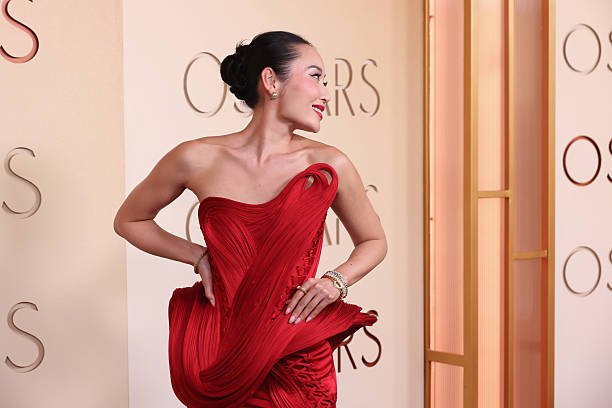
The 2026 Oscars red carpet didn’t just give us award-winning films, it gave us our entire spring beauty wishlist in one very glamorous evening.
by mehedi1
written by mehedi1
Let’s be honest: the outfits are great, the speeches can go either way, but what we’re really refreshing our feeds for is the makeup. And this year? The 98th Academy Awards delivered in a way that genuinely surprised us. No one quite expected the top makeup looks from Oscars 2026 to feel this wearable, this real and this easy to steal for everyday life.
Cloud lips that blur the line between bare and bold. Skin so dewy and luminous it looked like these women had just walked out of a spa. Liner decisions so intentional they carried an entire red carpet look on their own. And then there was the monochromatic makeup movement matching your eye shadow to your lip to your gown which nobody predicted and absolutely everybody loved.
If you only have time to save one beauty post this season, make it this one. Here’s everything that happened on the 2026 Oscars red carpet, broken down look by look with the exact products, the makeup artists behind them, and how to bring each trend home.
The 5 Biggest Makeup Trends That Defined Oscars 2026
Before we get into each celebrity look, here’s the big-picture story: five distinct beauty themes ran through the 2026 Oscars red carpet like a thread. These aren’t passing micro-trends every major beauty publication from Marie Claire to Who What Wear picked up on the same five movements. They’re already showing up on runways, in editorial shoots, and all over your feed. And they’re going to define spring and summer 2026.
- 💋Cloud lips and ’90s minimalism. The harsh, sharply-lined lipstick edge is officially out. In its place: blurred, matte, diffused lip shapes inspired by Korean beauty techniques that give your mouth a softer, almost bruised-in effect. This was the most-referenced finish across every outlet covering the 2026 Oscars beauty looks.
- ✨Glass skin and K-beauty prep. The biggest shift of the season isn’t in your eyeshadow palette it’s in your skincare routine. Stars like Chase Infiniti and Audrey Nuna proved that when the skin is right, the makeup almost takes care of itself. Tools like the NuFace Trinity+ and brands like Dr. Althea and Anua were all over the Oscars glam squads’ kits.
- 🎨Monochromatic makeup. This was the surprise of the night. Matching your lip colour to your eye shadow to your gown shouldn’t work — and yet Jessie Buckley, Chase Infiniti, and Wunmi Mosaku made it look like the most sophisticated thing anyone has ever done at an awards show. Consider this trend officially on our radar for the rest of 2026.
- ❤️Old Hollywood red lips, but warmer. The classic statement lip is back, and it’s been upgraded. Think warmer, more orange-leaning reds, or traditional crimsons sheered out into a balmy, almost-stain finish. Less theatre, more intention.
- 🖊️Graphic liner and editorial eyes. Inspired by 1960s mod beauty, several stars built their entire look around a single liner decision — one sharp wing, one unexpected colour — and left everything else completely bare. When the liner is the look, restraint is the technique.
Celebrity by Celebrity: The Oscars 2026 Looks We Can't Stop Thinking About
These are the five makeup moments from the 2026 red carpet that had beauty editors typing in all caps, makeup artists taking notes, and the rest of us frantically adding products to our carts at midnight. Let’s get into it.
1
Emma Stone
The Cloud Lip & Frosted Eye
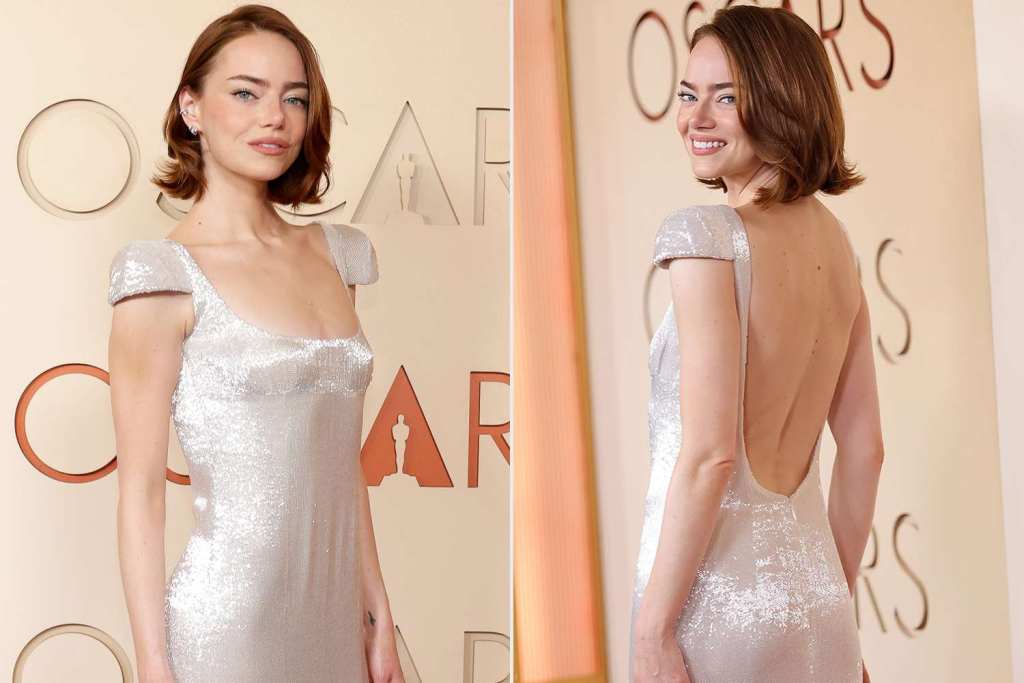
If there’s one look from the entire 2026 Oscars red carpet that’s going to define beauty for the next six months, it’s this one. Emma Stone, Louis Vuitton ambassador and Bugonia nominee, showed up with what might be the most quietly stunning makeup moment of the season: a rose-taupe cloud lip and a barely-there wash of frosted, icy eyeshadow that somehow felt both current and like something you’d find in a 2003 magazine spread — in the best possible way.
Makeup artist Nina Park — who’s quickly becoming the artist everyone wants on speed dial — used the LV Rouge Matte Lipstick in Passport to Paris applied with her signature Korean-influenced smudge technique. The idea is simple but the execution is everything: instead of drawing a defined lip, you tap and blend from the centre outward until the edges disappear into the skin. No hard line. No harsh border. Just colour that looks like it grew there.
For the eyes, Park used the LV Ombres Eyeshadow Palette in Beige Memento — a sheer, icy ivory sweep across the lids that didn’t so much compete with the lip as whisper a conversation with it. Fashion editors immediately called it the “frosted eye Oscars 2026” moment, and honestly, we’ve been calling it that too ever since.
The philosophy here is one we’re taking into every makeup application for the rest of spring: find one detail you love, execute it with complete commitment, and let everything around it breathe.
✦ Try it at home:Use a soft matte rose or nude lip product — a lip balm tint works beautifully here. Tap from the very centre of your lips and blend outward with your finger. Never drag the product. The cloud lip lives entirely in the blending — if your edges are clean, start over.
2
Jessie Buckley
The Monochromatic Red Moment
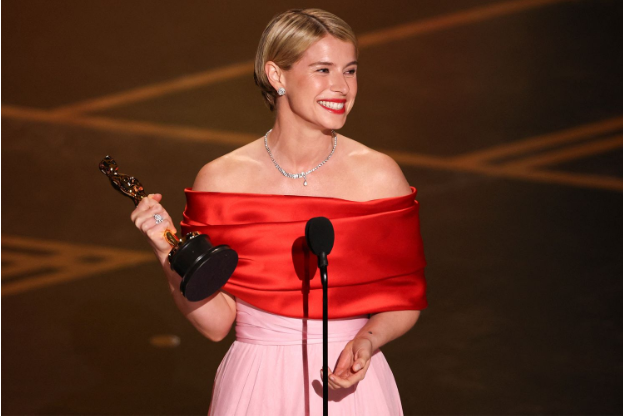
Best Actress winner Jessie Buckley walked the Oscars 2026 red carpet in a two-toned, Grace Kelly-inspired Chanel gown and then her makeup artist Nina Park did something that sounds risky but looked completely inevitable: she matched the lip to the dress.
Not in a costume-y way. Not in a “look, they’re the same colour” way. In a way that felt like the entire look had been conceived as one single thought. Buckley’s lip was a sheer, balmy red — not the traditional opaque matte you might reach for, but a softer, more lived-in version that gave all the drama of a statement red lip while still feeling like it belonged on a human face rather than a runway. Park used Chanel Le Rouge Duo Ultra Tenue layered with Le Rouge Contour liner to create a lip that actually mirrored the satin sheen of the gown fabric.
Everything else? Powder blush in medium rose gold, warm bronzer, mascara in Noir. Deliberately bare. Because when your lip is this good and your dress is doing that much work, you don’t add — you edit.
This is the monochromatic makeup trend in its most wearable, most sophisticated form. The colour story runs from gown to cheek to lip like a single exhale. It’s the kind of look that sounds like a risk and feels like genius.
3
Teyana Taylor
Graphic Liner & Glass Gloss
First-time Oscar nominee Teyana Taylor in a dramatic black-and-white Chanel feathered gown wore what most beauty experts are unanimously calling the most editorial look of the entire 2026 Oscars red carpet. And here’s the thing — it was all built on one single decision.
Makeup artist @yeikaglow constructed the entire aesthetic around a sharp double-wing in CHANEL Le Crayon Yeux Precision Eye Definer in Noir Black, extended just past the natural outer corner of the eye and pulled upward. A white waterline accent made Taylor’s eyes appear longer, wider, and somehow both vintage and incredibly now. Everything else — luminous skin, a glossy blurred lip, statement lashes — was there, but carefully muted so nothing competed.
“Taylor’s version kept only the line and removed the smoke — and that single edit made all the difference.”
The look was inspired by the 1960s mod movement, and the context mattered: the liner’s graphic, architectural quality extended the same visual logic as the feathered mermaid gown. As beauty director Nick Lujan of Kevyn Aucoin Beauty explained, the traditional siren eye works through smoke and blur. Taylor’s version stripped it back to just the line — and the restraint is exactly what made it feel so modern.
This is a masterclass in what fashion people call “one decision dressing” — except it’s makeup. You choose your one thing. You commit to it completely. Everything else serves it.
✦ Steal the look:A felt-tip liner applicator is essential here — it lets you draw a clean, extended wing in a single stroke rather than building it up in stages. Dust translucent setting powder directly over the liner after application to lock it in place through a long evening without smudging.
4
Kate Hudson
Rosy Glow & Charlotte Tilbury’s It-Product of the Night
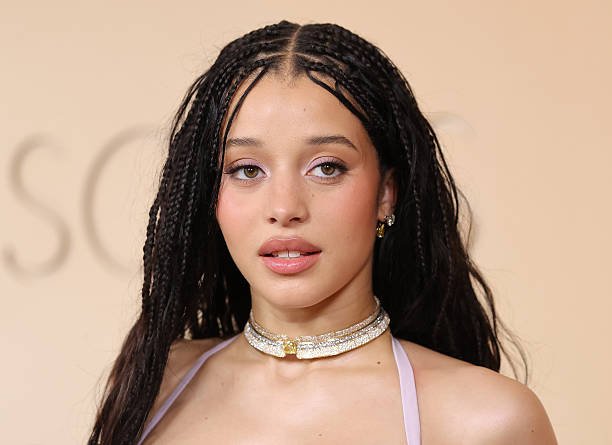
One Battle After Another breakout star Chase Infiniti arrived at the Oscars in a ruffled lilac Louis Vuitton gown, and her makeup — handled by Amber Dreadon — turned out to be one of the most forward-thinking beauty moments of the entire 2026 red carpet season. The reason? It started with the skin, not the makeup.
Before a single product touched Infiniti’s face, Dreadon used the NuFace Trinity+ facial-lifting device and Summer Fridays skincare to create a base so smooth and visibly lifted that traditional contouring was made entirely redundant. Instead, she used what makeup artists call a “veiled blush” technique — layering sheer pink pigment across the cheeks and temples so gradually that the colour appears to come from within the skin rather than sitting on top of it. No powder. No sharp lines. Just warmth that looks biological.
A wash of soft lilac shadow from the LV Ombres Eyeshadow Palette in Cosmic Dreams mirrored the gown just enough to feel cohesive without being matchy, and a jelly-finish lip in LV Rouge Satin in Kiss the Sky kept the whole thing airy and fluid.
Co-star Audrey Nuna took the skin-first philosophy even further — arriving on the carpet with naked eyes and K-beauty glass skin courtesy of Dr. Althea products. No drama, no volume, no competition. Just the most luminous complexion in the room.
Together, these two looks announce what the beauty industry has been building toward for a couple of years now: the skin is the makeup. Prep is the product. And once you get the base right, everything that goes on top becomes almost effortless.
✦ The veiled blush technique:Use a cream or balm blush — never powder for this effect. Tap a small amount onto the apple of the cheek with one fingertip and blend in circular motions up toward the temple. Build gradually in thin layers rather than one heavy application. The goal is colour that reads as “healthy skin,” not “blush.”
Your Oscars 2026 Beauty Questions, Answered
What was the most popular makeup trend at the 2026 Oscars?
Two trends ran the show this year: cloud lips and monochromatic makeup. The cloud lip — a Korean beauty-influenced technique where you blur and diffuse your lip colour outward from the centre rather than applying it with a defined edge — was spotted on Emma Stone, Ariana Greenblatt, and several others. Meanwhile, the monochromatic makeup movement (where your lips, eyes, and sometimes blush all echo the colour of your outfit) showed up on Jessie Buckley, Chase Infiniti, Wunmi Mosaku, and more. Nobody saw it coming, and now it’s everywhere.
Which products did celebrities actually use at the Oscars 2026?
The breakout product of the entire evening was Charlotte Tilbury’s newly launched Pillow Talk Blush Balm Lip Tint — worn by Kate Hudson, Demi Moore, and singer Ejae. Louis Vuitton Beauty also had a major night, with Emma Stone wearing LV Rouge in Passport to Paris and Chase Infiniti wearing from the LV Ombres palette in Cosmic Dreams. On the liner front, CHANEL Le Crayon Yeux in Noir Black built Teyana Taylor’s entire look. For skin prep, the NuFace Trinity+ and K-beauty brands Dr. Althea and Anua were working behind the scenes on multiple glam teams.
How do I actually recreate an Oscars 2026 makeup look at home?
Pick one thing and commit to it — that’s genuinely the philosophy behind almost every major look from this year’s red carpet. For cloud lips, tap a matte nude or rose shade from the centre outward and blend with your finger until the edges disappear. For the glass skin look, add a gua sha or face roller into your routine before foundation — even five minutes makes a visible difference in how your base sits. For graphic liner, invest in a good felt-tip pen and practise extending your wing before a night out, not during it. The 2026 Oscars proved one thing clearly: less, done with complete intention, is always more.
Steal the Red Carpet — One Trend at a Time
Here’s what we keep coming back to when we look at the top makeup looks from Oscars 2026: none of them were trying too hard. Every single one was built around a single, confident idea — a blurred lip, a rosy glow, a graphic wing, a matching colour story, a foundation so good it replaced the makeup — and everything else was edited down to let that one idea breathe.
That’s the real takeaway from this year’s red carpet. Not a specific product or a specific technique, but a mindset: know your one thing, execute it beautifully, and trust that restraint is its own kind of glamour. Whether it’s Emma Stone’s cloud lips, Teyana Taylor’s mod liner, or Kate Hudson’s rosy Charlotte Tilbury glow — these are looks that translate, because they’re not about being someone else. They’re about knowing exactly who you are.
The 2026 Oscars beauty season is officially open. Your move.

Providing your baby with a comfortable environment is one of the most important things you can do for them. Every detail matters when it comes to your babys comfort. From the food they eat to the clothes they wear. The traditional fabrics may feel soft but they can come with harsh chemicals that can irritate your babys sensitive skin. However, organic cotton is naturally gentle. This makes it the perfect choice for your babys clothing.
In this article we will look at the benefits of organic cotton.We will also look at its contribution to the planets sustainability and why it is the preferred fabric for parents . Let’s dive into the comfort, safety and eco friendly benefits of choosing organic cotton.
What Makes Organic Cotton Baby Clothes So Special
Organic cotton baby clothes are made to be gentle on kids sensitive skin.The difference between organic cotton and regular cotton is that organic cotton is grown without using harmful pesticides, artificial fertilizers or other chemicals that are bad for people. This means that the fabric is soft and gentle on the skin. These features make it less likely for you to get rashes, eczema or other problems.
Organic cotton is considered more unique for its contribution to sustainability. It uses fewer resources like water and energy and also avoids chemical treatments. As a result organic cotton has become not just better for your baby but also better for the environment. It doesn’t use as many resources like water and energy and it doesn’t use many chemicals. For this reason organic cotton has become not just better for your baby but also better for the environment.
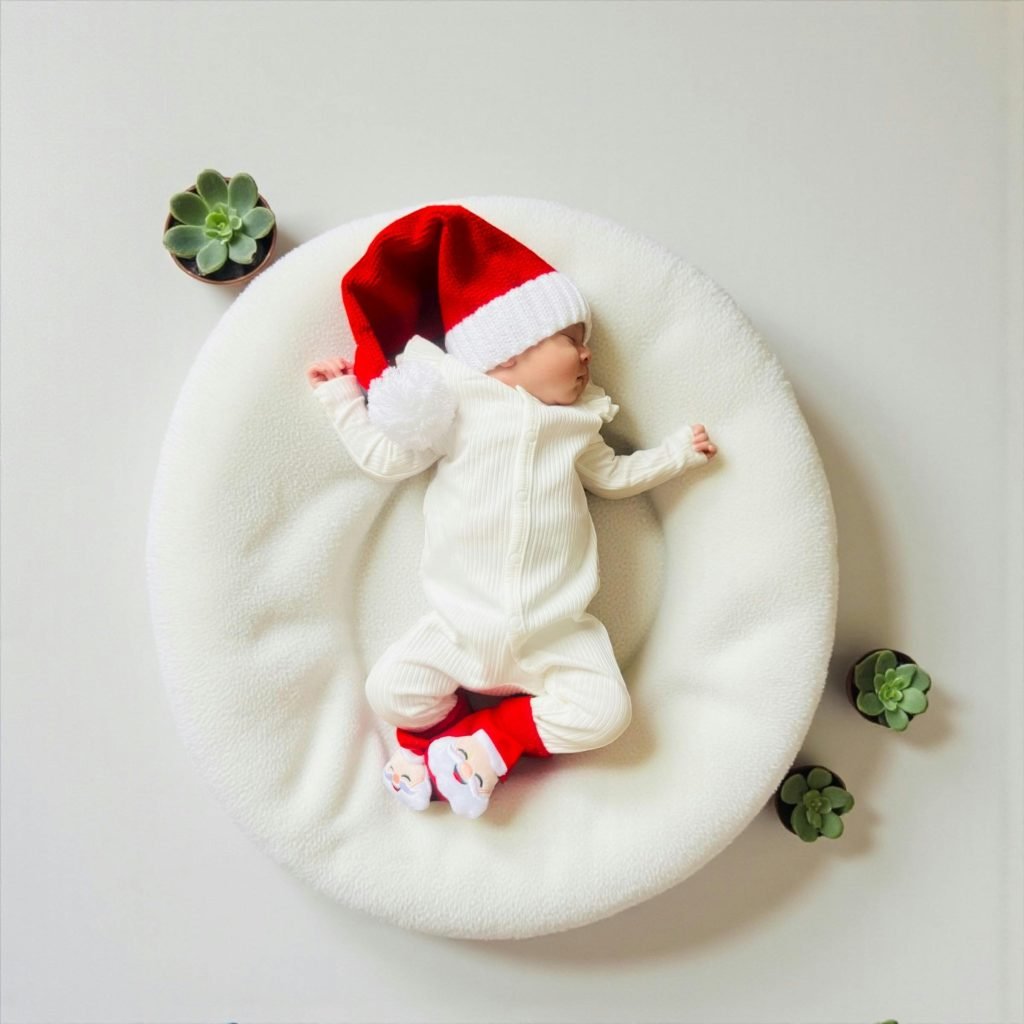
3 Key Reasons Why Organic Cotton Baby Clothes Are Better
Let’s dive into the three main reasons why organic cotton is the fabric of choice for your baby’s clothes.
Hypoallergenic and Gentle on Baby’s Skin
Organic cotton does not contain harmful pesticides or harsh chemicals, making it a safer choice for your baby’s delicate skin. It helps reduce the risk of rashes, eczema, and allergic reactions while keeping your baby soft and comfortable throughout the day.Environmentally Friendly and Sustainable
Organic cotton farming uses fewer harmful chemicals and less water compared to traditional cotton farming. By choosing organic cotton baby clothes, you support eco-friendly farming practices that are better for both your baby and the planet.Breathable and Comfortable for Your Baby
Organic cotton is naturally breathable and helps regulate your baby’s body temperature. It keeps your little one cool during warm weather and cozy during colder seasons while becoming softer after every wash.
FAQ – Frequently Asked Questions About Organic Cotton Baby Clothes
Q. Why is organic cotton better for babies?
Answer: Organic cotton does not contain harmful chemicals or pesticides, making it a safer and softer option for babies with sensitive skin. It is breathable, hypoallergenic, and environmentally friendly, helping keep your baby both comfortable and protected.
Q. How do I know if baby clothing is made from organic cotton?
Answer: Look for certifications like GOTS (Global Organic Textile Standard) or check the product description for mentions of organic cotton. These certifications ensure the clothing meets strict organic and safety standards.
Q. Is organic cotton more expensive than regular cotton?
Answer: Organic cotton can be slightly more expensive than regular cotton, but it is often worth the investment. It provides better comfort and safety for your baby while also supporting sustainable and eco-friendly farming practices.
Make the Switch to Organic Cotton for Your Baby
Baby clothes made of organic cotton will provide your little one with the best level of comfort, safety and sustainability. Not only will your baby benefit from soft, breathable and non toxic fabrics but you will also be making a positive impact on the planet. You can provide your baby with a healthier and more comfortable start in life by choosing organic cotton baby clothes today.
Newer Posts